
Key Takeaways
- Toronto and Ottawa are facing cooler conditions, showers and strengthening winds this morning.
- Calgary is starting the week unusually warm, with a forecast high of 23°C.
- Calgary could see rain or snow by Saturday, with temperatures dropping dramatically.
Canada Starts the Week With Weather in Two Different Moods
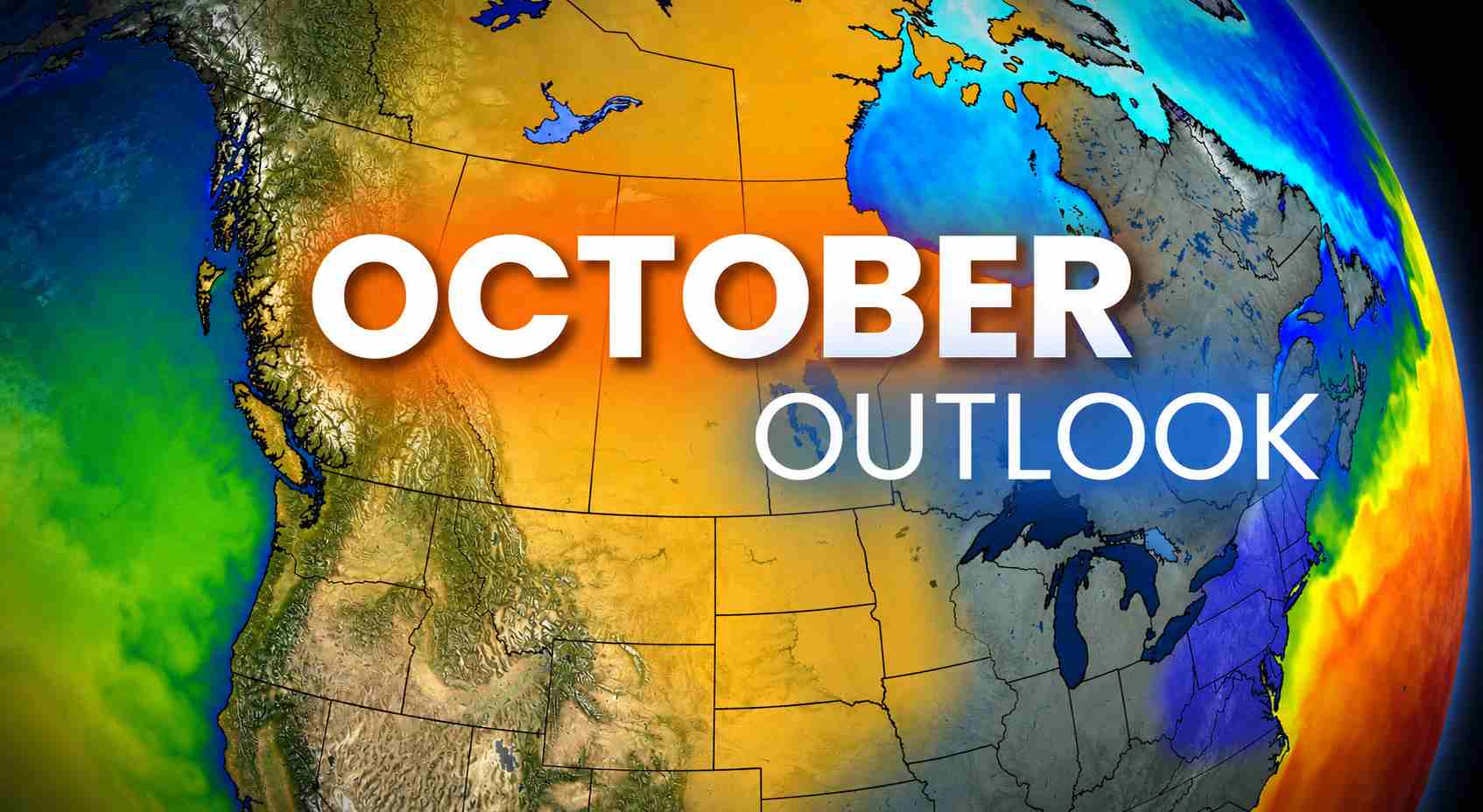
October is wasting little time reminding Canadians that fall can change personality quickly. On Monday morning, parts of Ontario are dealing with clouds, showers and strengthening winds, while Calgary is enjoying temperatures that feel more like late summer.
Ontario Faces Windy Monday Conditions
Toronto is forecast to reach 17°C on October 5, with a 30 percent chance of morning showers. Environment and Climate Change Canada says winds will strengthen from the west and northwest, reaching gusts of up to 60 km/h later in the morning.
Ottawa is starting cooler, with temperatures around 9°C early Monday. The forecast calls for a 30 percent chance of showers through the morning and early afternoon, while west winds are expected to reach 30 km/h with gusts up to 50 km/h.
London is also seeing a noticeable wind shift. The city started around 8°C, with the forecast calling for a high near 16°C and northwest winds reaching 30 km/h, with gusts to 50 km/h. Overnight temperatures could fall to around 2°C, with patchy frost possible.
Calgary Gets Warm Before the Weather Flips
Calgary tells a very different story. Environment Canada recorded about 18°C early Monday and forecasts a high of 23°C. But the warm spell is not expected to last. By Friday night, the chance of showers rises, followed by a Saturday forecast of rain or snow and a high of only 3°C.
TwikUp's Perspective
The bigger story is the speed of the transition. Canada is already showing why October weather can be difficult to predict by looking at one city alone. While Ontario deals with wind and cooler mornings, Calgary is moving from summer-like warmth toward conditions that could include snow within days.
For residents and travellers, the practical takeaway is simple: regional forecasts matter more than a single national temperature headline. Fall has arrived, but it clearly has no interest in following one schedule.