Twikup logo
Twikup

Topic

Nutrition

In Health

Latest in Nutrition

Newest first
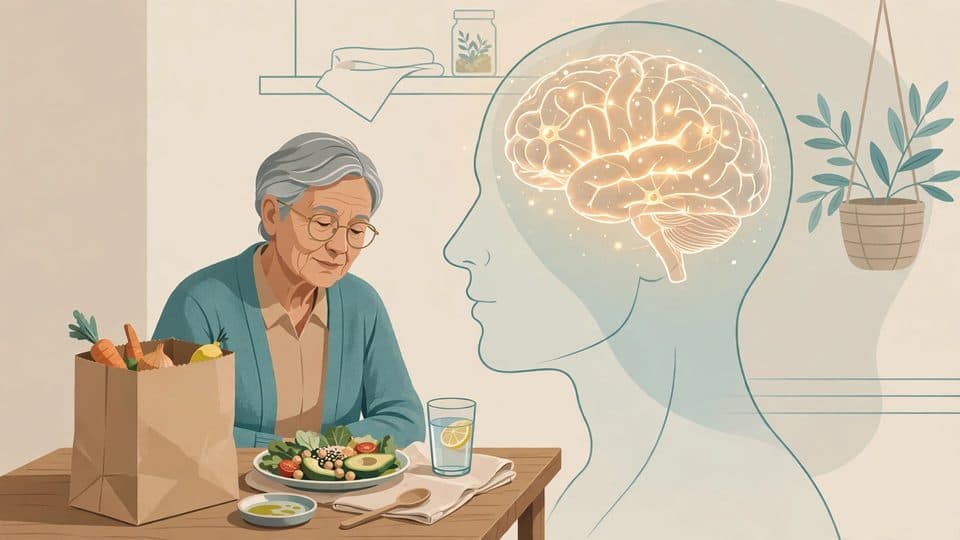
What You Eat May Slow Brain Aging by 2.5 Years, 12-Year Study Finds

Health

What You Eat May Slow Brain Aging by 2.5 Years, 12-Year Study Finds

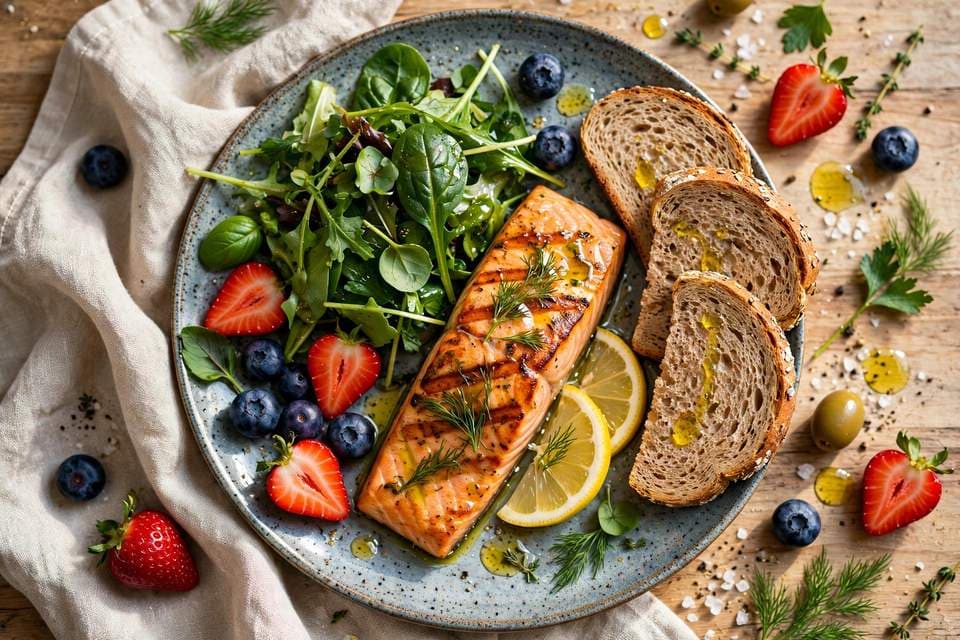
A 12-year MRI study of 1,647 adults suggests that eating more closely in line with the MIND diet was associated with slower grey-matter shrinkage. Higher scores, driven especially by berries and poultry, were linked to brain changes equivalent to roughly 2½ fewer years of ageing. The observational research cannot prove diet protects memory or prevents dementia.

Oct 30, 2026•9 views today
Eating the Most Ultra-Processed Food Is Linked to a 58% Higher Risk of Dementia

Health

Eating the Most Ultra-Processed Food Is Linked to a 58% Higher Risk of Dementia

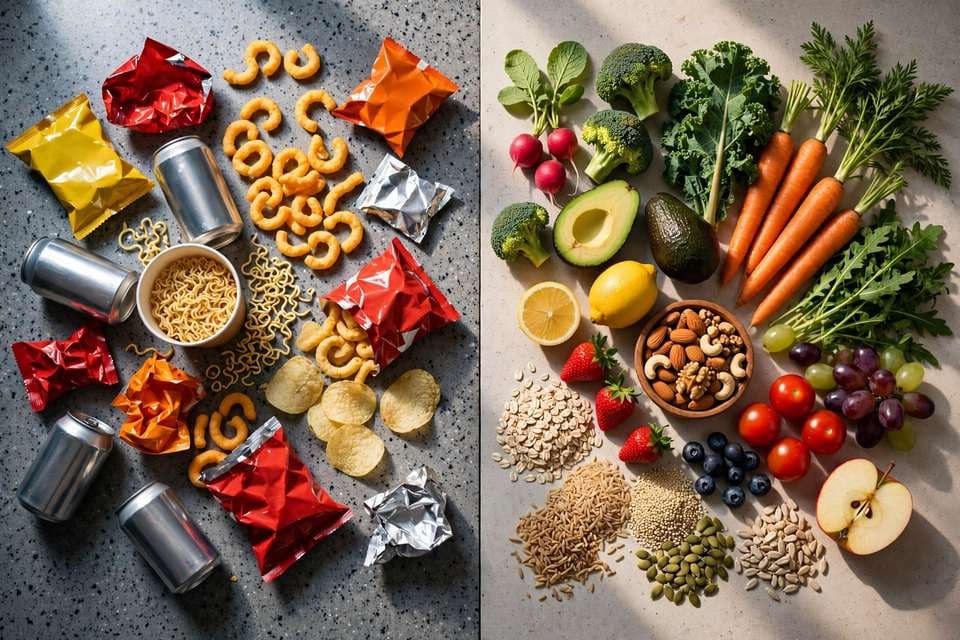
A long-running study of 5,370 adults over 50 found that people who ate the most ultra-processed foods had higher risks of dementia and cognitive impairment, while those eating more whole foods had lower dementia risk. The findings show an association, not proof of cause, but point to sugary drinks and processed meats as practical places to start making changes.

Oct 29, 2026•15 views today
Your morning coffee might be doing your brain a favour

Health

Your morning coffee might be doing your brain a favour

A Harvard-led study of 131,821 people followed for up to 43 years found that higher caffeinated coffee consumption was associated with an 18% lower relative risk of dementia. The strongest associations appeared at two to three daily cups, while decaf showed no significant link. Researchers stress that the observational findings do not prove coffee prevents dementia.

Oct 29, 2026•7 views today
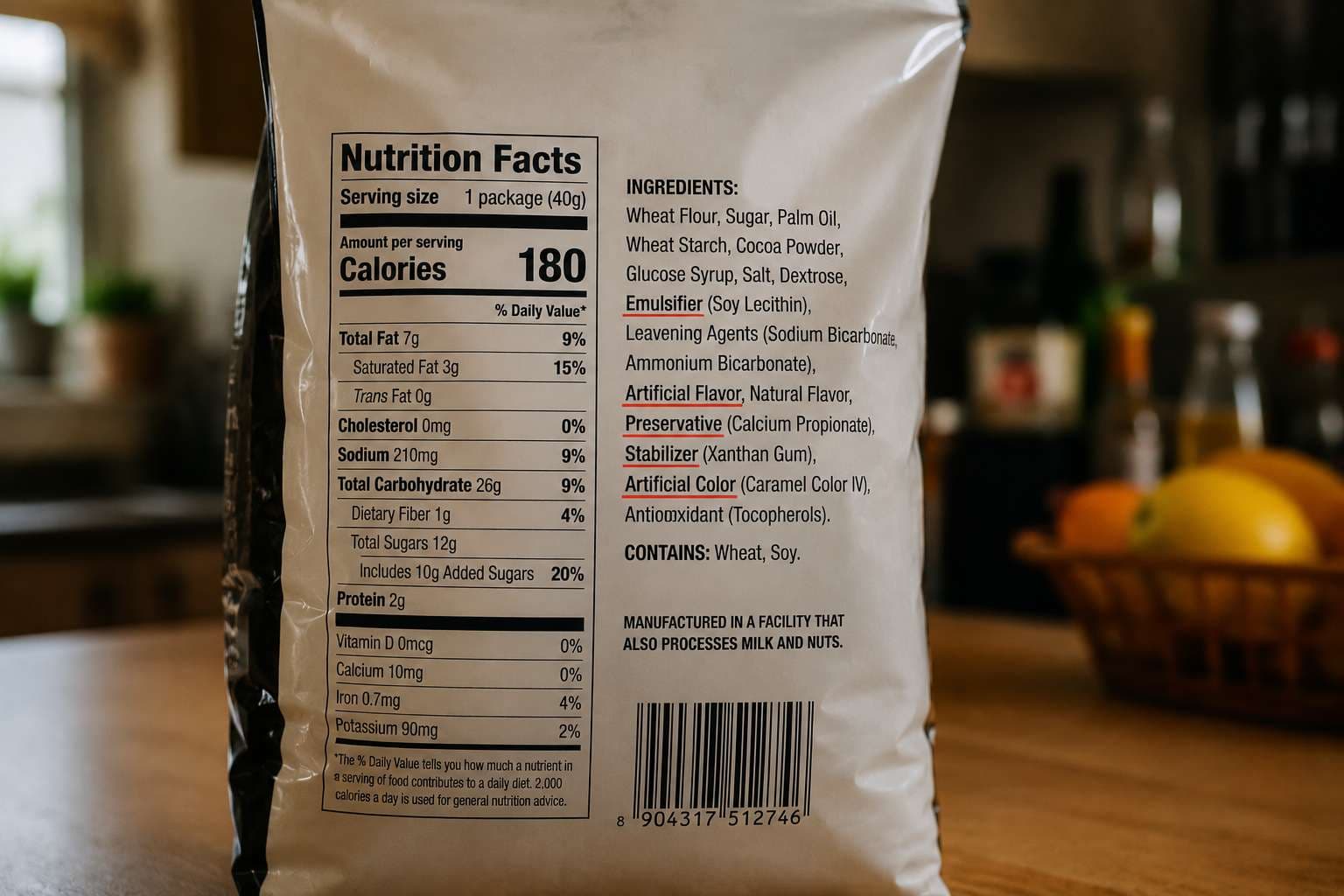
The Food in Your Kitchen May Have a Problem the Nutrition Label Doesn’t Show

Health

The Food in Your Kitchen May Have a Problem the Nutrition Label Doesn’t Show

A Tufts University analysis of 47,999 U.S. adults found that higher ultra-processed food consumption was associated with less-favourable cardiometabolic measures, certain health conditions and higher all-cause mortality risk. Adjusting for overall diet quality weakened, but did not eliminate, those associations. The observational study does not prove causation, but raises questions about factors beyond familiar nutrition-label numbers.

Aug 31, 2026•14 views today
Why you feel low might be a vitamin D problem

Health

Why you feel low might be a vitamin D problem

Low vitamin D levels have been linked with changes in mood, fatigue, and low energy, raising concerns about hidden deficiency effects in everyday health.

Jun 8, 2026•23 views today