
Key Takeaways
- A lender's inquiry can remain visible on a credit report long after its effect on a credit score has diminished.
- Mortgage and auto-loan shopping may qualify for special inquiry treatment, but multiple credit card applications generally do not.
- Pre-qualification, rental screening and credit monitoring should be evaluated by the type of inquiry actually performed, not the service's name.
What Is the Difference Between a Hard and Soft Credit Check?
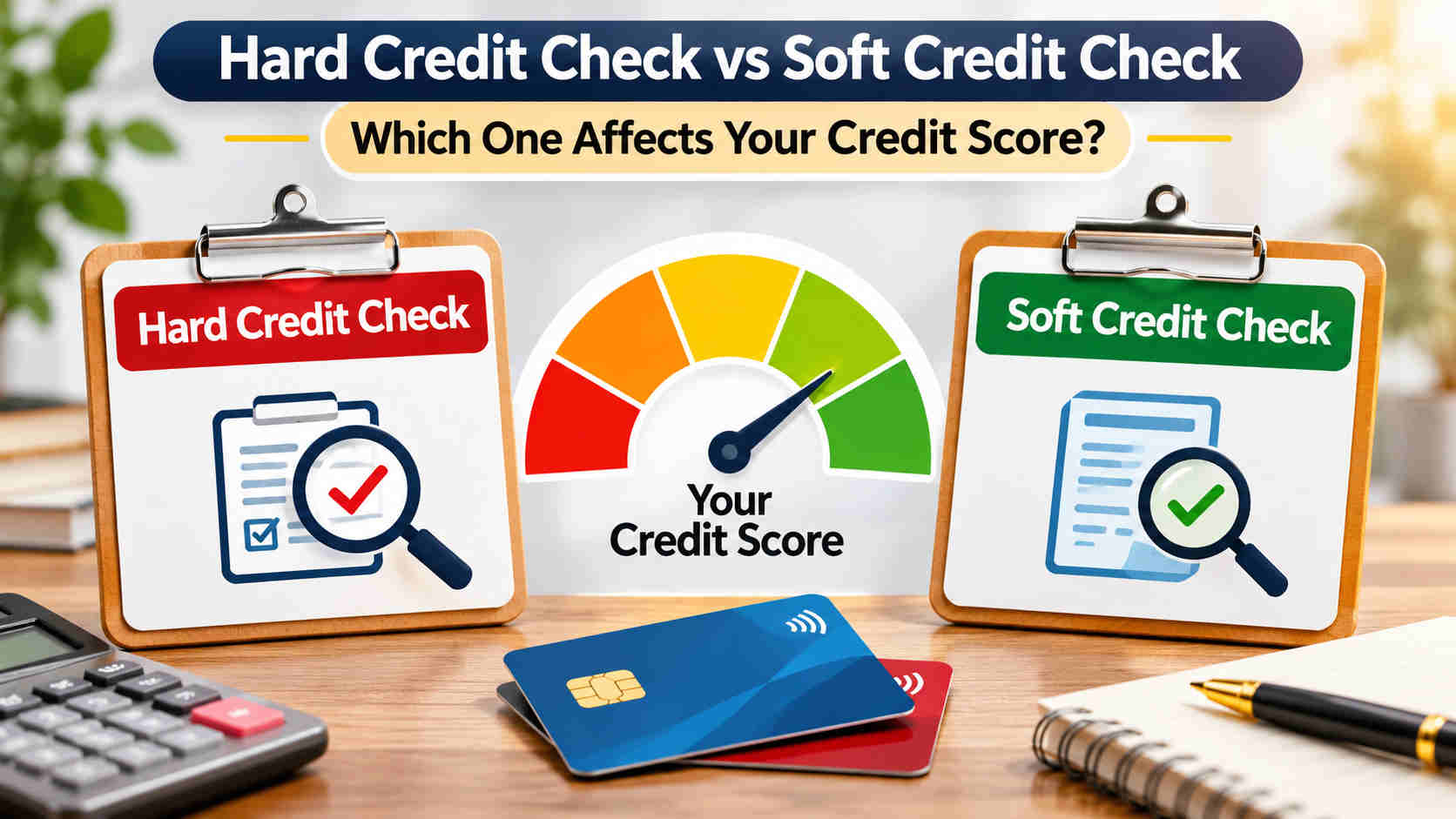
A hard credit check and a soft credit check both involve accessing information in your credit file, but they serve different purposes. In Canada, a hard inquiry usually happens when you apply for new credit and a lender reviews your credit history to assess your application. It can affect your credit score.
A soft inquiry generally happens when you check your own credit information, receive certain promotional offers or have an existing account reviewed. It does not affect your credit score.
Understanding this distinction matters because applying for several financial products without knowing how your credit will be checked can create unnecessary inquiries.
When Does a Hard Credit Check Happen in Canada?
Hard inquiries commonly occur when financial institutions evaluate applications for credit cards, personal loans, mortgages or vehicle financing. Imagine applying for a new credit card because it offers better rewards. The issuer may request your credit report to evaluate your repayment history, existing debts and recent borrowing activity.
That request is typically recorded as a hard inquiry. A hard check does not mean your application was approved. It simply records that a lender accessed your credit file as part of a credit application. The inquiry itself may affect your score, while opening a new account can have additional consequences for your credit profile.
What Counts as a Soft Credit Check?
Soft inquiries allow certain credit information to be reviewed without affecting your credit score. Common examples include checking your own credit report, an existing lender reviewing your account and some promotional or pre-approved credit offers.
For example, you might open a credit monitoring service to see whether your score has changed since last month. Checking your own credit information does not damage your score.
This makes regular credit monitoring useful rather than risky. However, the word "pre-approved" does not guarantee that every later step will remain a soft inquiry. Accepting an offer and submitting a formal application may trigger a hard check.
Hard Inquiry vs Soft Inquiry: Key Differences
| Feature | Hard inquiry | Soft inquiry |
|---|---|---|
| Typical purpose | Assessing new credit applications | Monitoring, account reviews or certain preliminary checks |
| Credit score impact | May affect your score | No impact |
| Visible to lenders | Generally yes | Generally no |
| Common example | Applying for a credit card | Checking your own report |
| Recorded on your file | Yes | May be recorded |
The important difference is not simply who requests the report. It is the purpose and classification of the inquiry. A landlord, employer or financial institution may use different screening processes. Ask what type of check will be performed rather than assuming its effect.
How Much Can a Hard Inquiry Lower Your Credit Score?
There is no reliable universal number of points that every Canadian loses after a hard inquiry. The impact depends on the scoring model and the information already in your credit report.
Someone with a long history of timely payments may experience little or no visible change after one application. Another borrower with limited credit history or several recent applications could see a more noticeable effect.
Equifax Canada explains that applying for credit does not guarantee a score decrease. Payment history, outstanding balances and other credit information also influence the result. A hard inquiry should therefore be treated as one factor in your overall credit profile, not as a permanent financial setback.
How Long Do Hard Inquiries Stay on Your Credit Report?
Canadian credit bureaus have different retention periods. According to the Financial Consumer Agency of Canada, lender inquiries generally remain on Equifax credit reports for three years and TransUnion credit reports for six years.
However, appearing on a report is not the same as influencing a score throughout that entire period. TransUnion explains that its scoring models generally consider inquiries from the previous 12 months.
Different lenders may use different scoring formulas, so the effect cannot be predicted precisely from the inquiry date alone. An older inquiry may remain visible even after its scoring importance has declined.
Do Multiple Mortgage or Car Loan Checks Hurt Your Score?
Shopping for a competitive mortgage or vehicle loan is different from repeatedly applying for unrelated credit cards. Credit scoring models may group qualifying inquiries for the same type of loan within a defined shopping period.
The FCAC recommends collecting mortgage or car-loan quotes within two weeks to limit the potential scoring impact. Equifax notes that grouping windows vary by scoring model, and not every inquiry necessarily receives identical treatment. This exception generally does not apply to multiple credit card applications.
Before submitting applications through different lenders or dealerships, ask how they will check your credit and whether the inquiries qualify for rate-shopping treatment.
Can You Check Your Own Credit Score Without Hurting It?
Yes. Canadians can review their own credit information without creating a score-damaging inquiry. You can obtain credit reports from Equifax and TransUnion, Canada's two main credit bureaus. Reviewing both is useful because the information they hold may differ.
Look for unfamiliar applications, incorrect account details and balances that do not match your records. If an inquiry appears suspicious, contact the organization listed and the relevant credit bureau to investigate.
Monitoring your report can reveal errors or potential identity theft before they interfere with an important borrowing decision.
How Can You Avoid Unnecessary Hard Credit Checks?
Start by comparing financial products before submitting formal applications. Read eligibility requirements, ask whether an initial assessment uses a soft inquiry and understand when a hard check becomes necessary. Avoid applying for several credit cards simply to test which issuer will approve you.
Before seeking additional borrowing, review your current debts and repayment capacity. The goal is not to avoid every legitimate credit application. It is to apply deliberately, with a clear reason for borrowing.
TwikUp's Perspective
Canadians sometimes focus too heavily on protecting a credit score from a single inquiry while overlooking the larger borrowing decision. A slightly different score is rarely as important as choosing an affordable loan, understanding the interest rate and avoiding repayment problems.
For first-time home buyers, this decision also connects with planning their down payment and timing their savings withdrawals. Our guide to First Home Savings Account withdrawal rules in Canada explains the conditions buyers must meet to withdraw FHSA funds tax-free. Understanding these requirements alongside mortgage applications can help buyers prepare for the financial and administrative steps involved in purchasing a home.
A mortgage comparison that produces better terms may be worth a legitimate credit check. Conversely, opening an unnecessary account for a temporary promotion may create obligations that outlast the offer. Credit inquiries are best understood as records of borrowing decisions. Managing those decisions carefully matters more than trying to eliminate every hard check.
Disclaimer
This article is for general educational purposes only and does not constitute personalized financial or credit advice. Credit inquiry classifications, reporting periods and scoring effects may vary by credit bureau, lender, province and scoring model. Confirm the type of credit check with the organization involved before applying.