Meta is betting on massive distribution, open AI models, smarter advertising, business agents, and AI glasses to compete with OpenAI and Google. Here is how Meta’s AI strategy works, where it has an advantage, and what could stop it from winning.
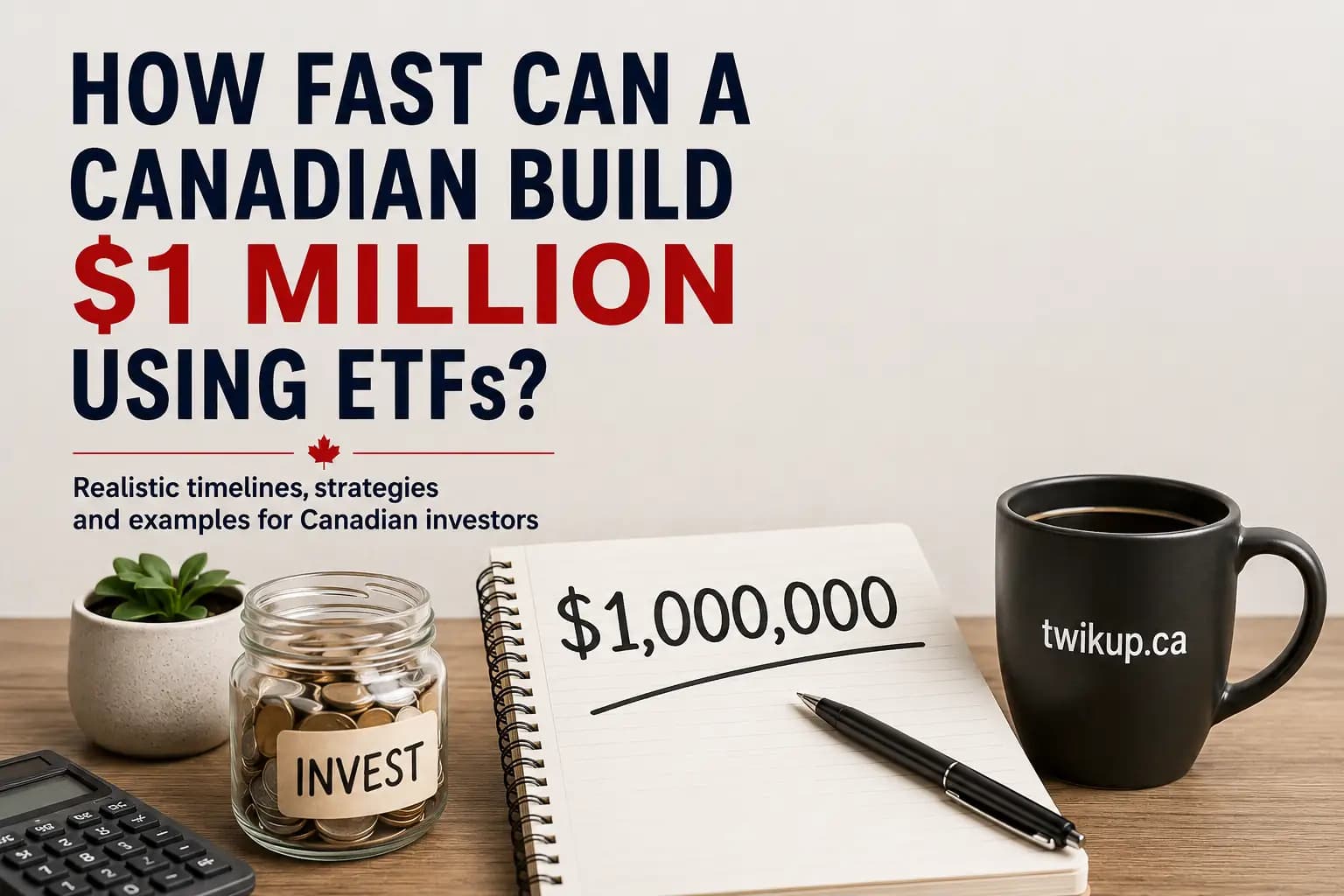
Wondering how long it takes to build a $1 million ETF portfolio in Canada? This guide explains realistic timelines based on monthly contributions, compound growth, TFSA and RRSP strategies, inflation, and real investing examples. Compare different return scenarios, avoid common ETF investing mistakes, and learn how Canadians can build long-term wealth through disciplined investing.
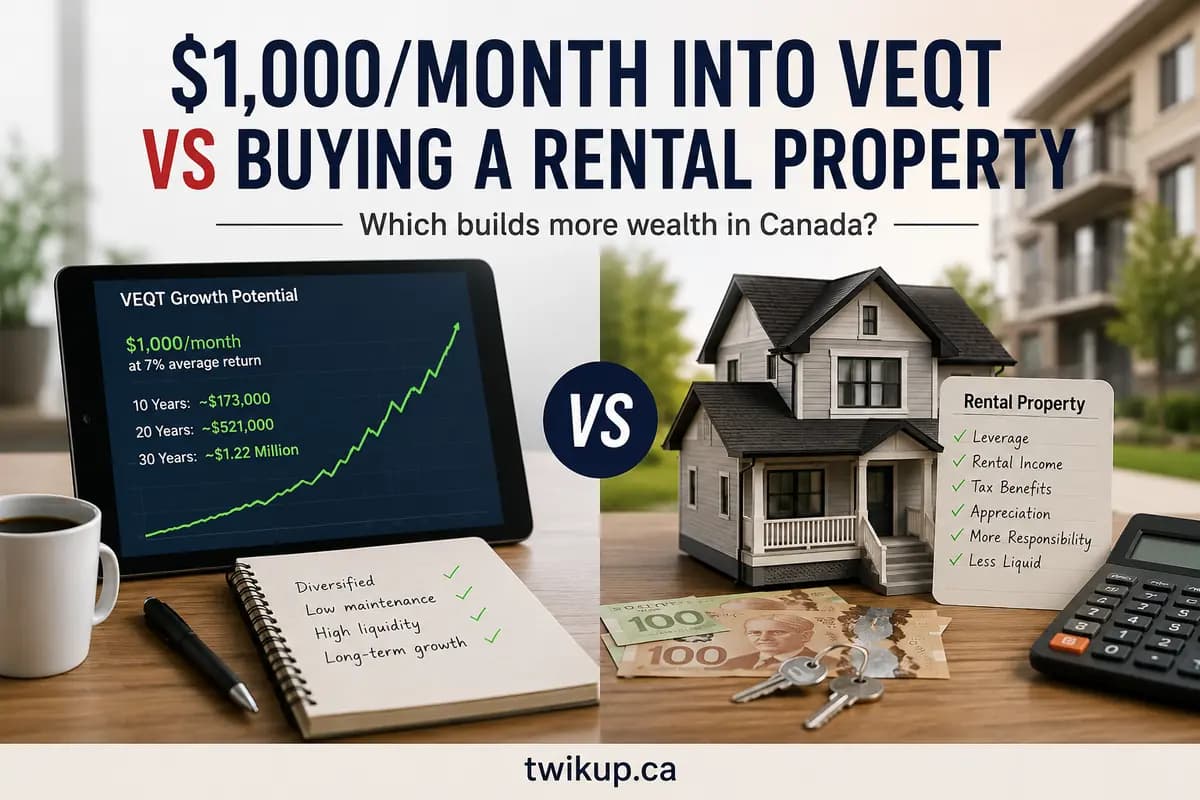
Should you invest $1,000 a month into VEQT or buy a Canadian rental property? This in-depth comparison examines long-term wealth potential, cash flow, leverage, taxes, liquidity, risks and real-world examples. Discover how each strategy performs over 10, 20 and 30 years so you can choose the investment approach that best fits your financial goals.
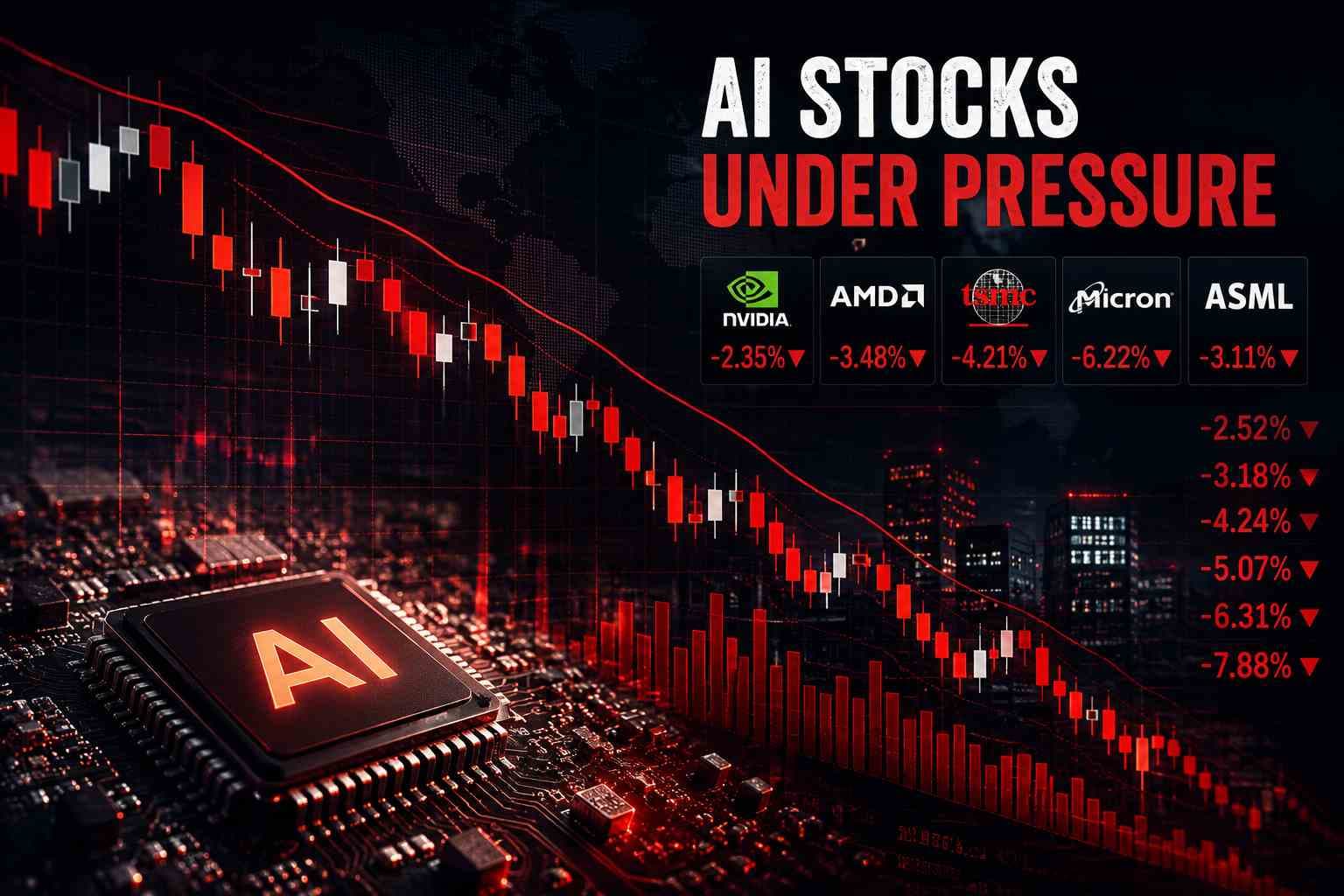
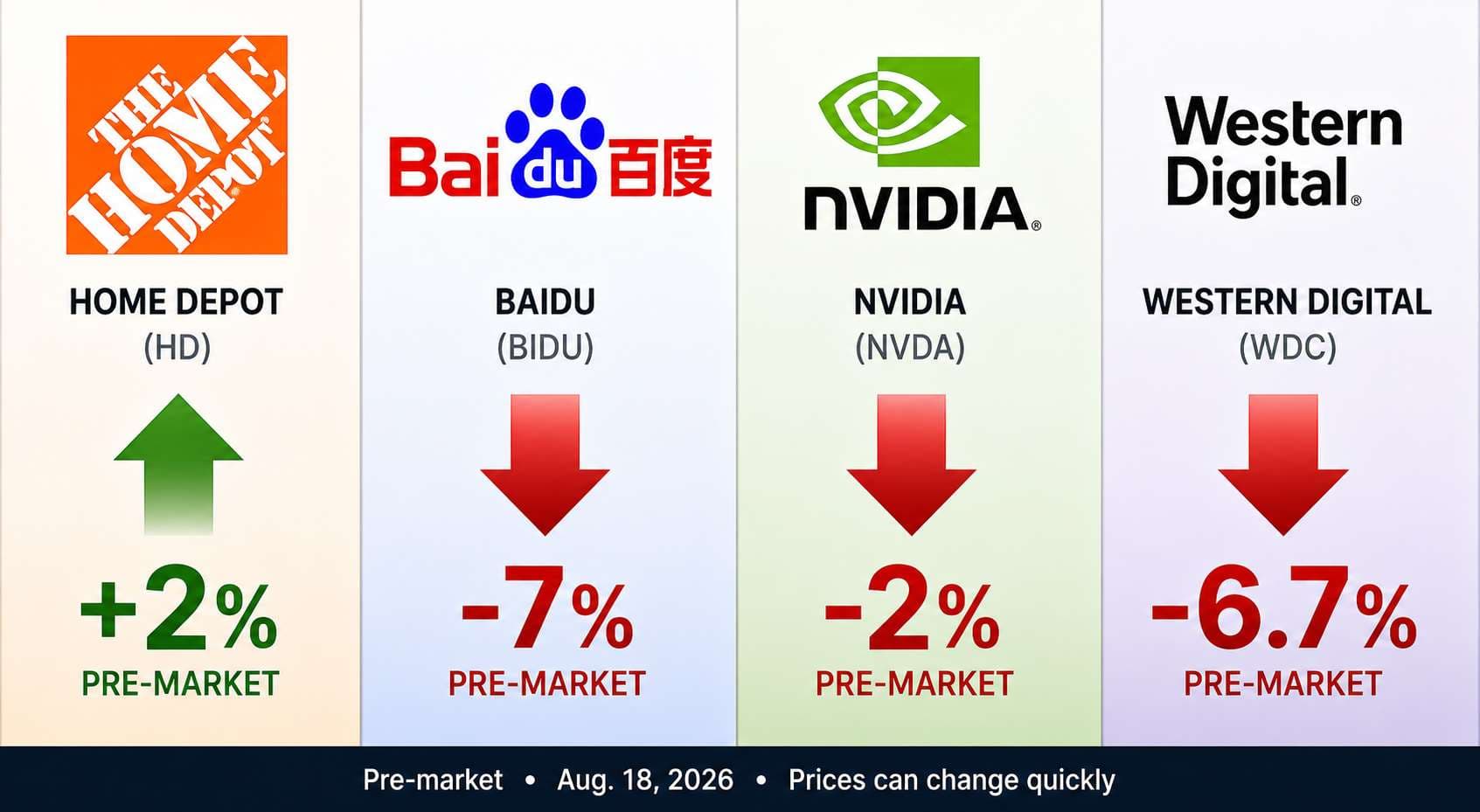
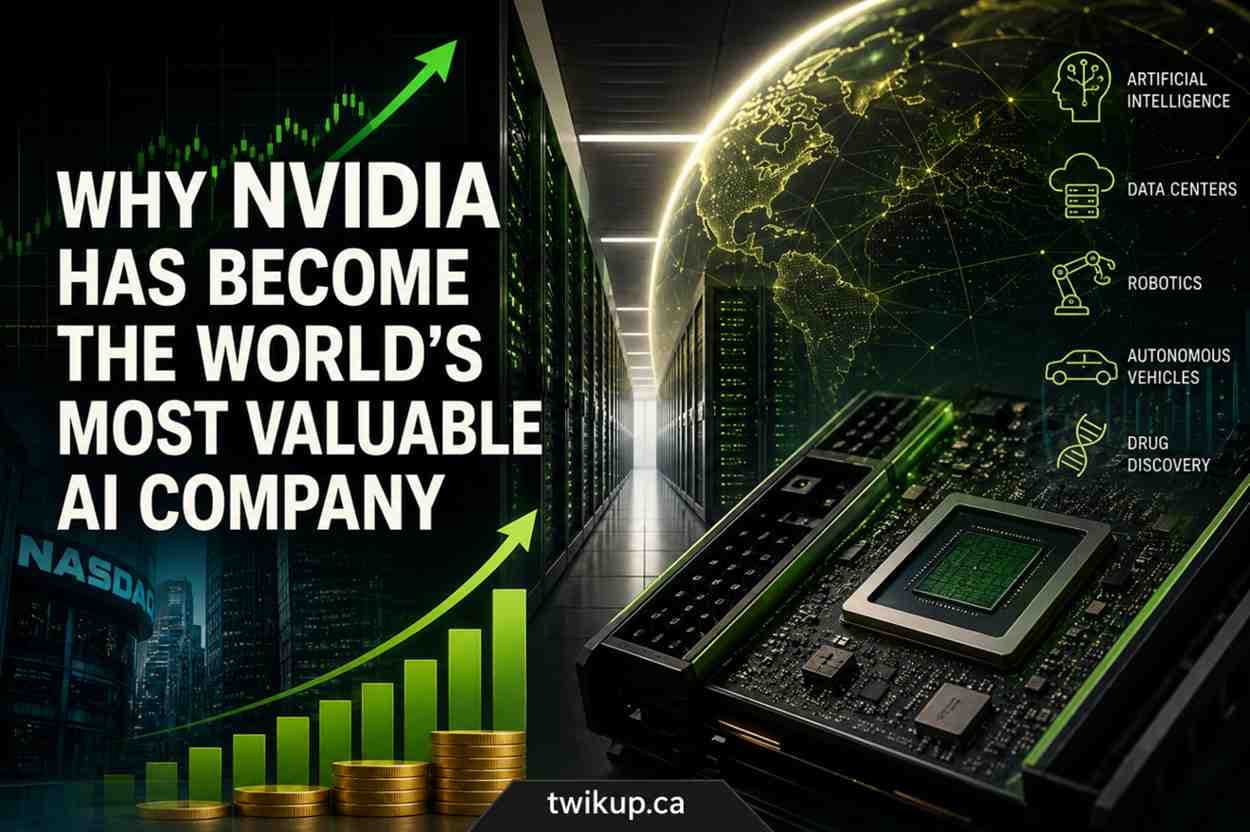
Nvidia became the world’s most valuable AI company by building more than powerful GPUs. Its CUDA software, data-centre systems, networking technology and developer ecosystem now support much of the global AI boom. This guide explains Nvidia’s competitive advantage, financial growth, major risks, valuation concerns and what investors should examine before buying Nvidia stock.
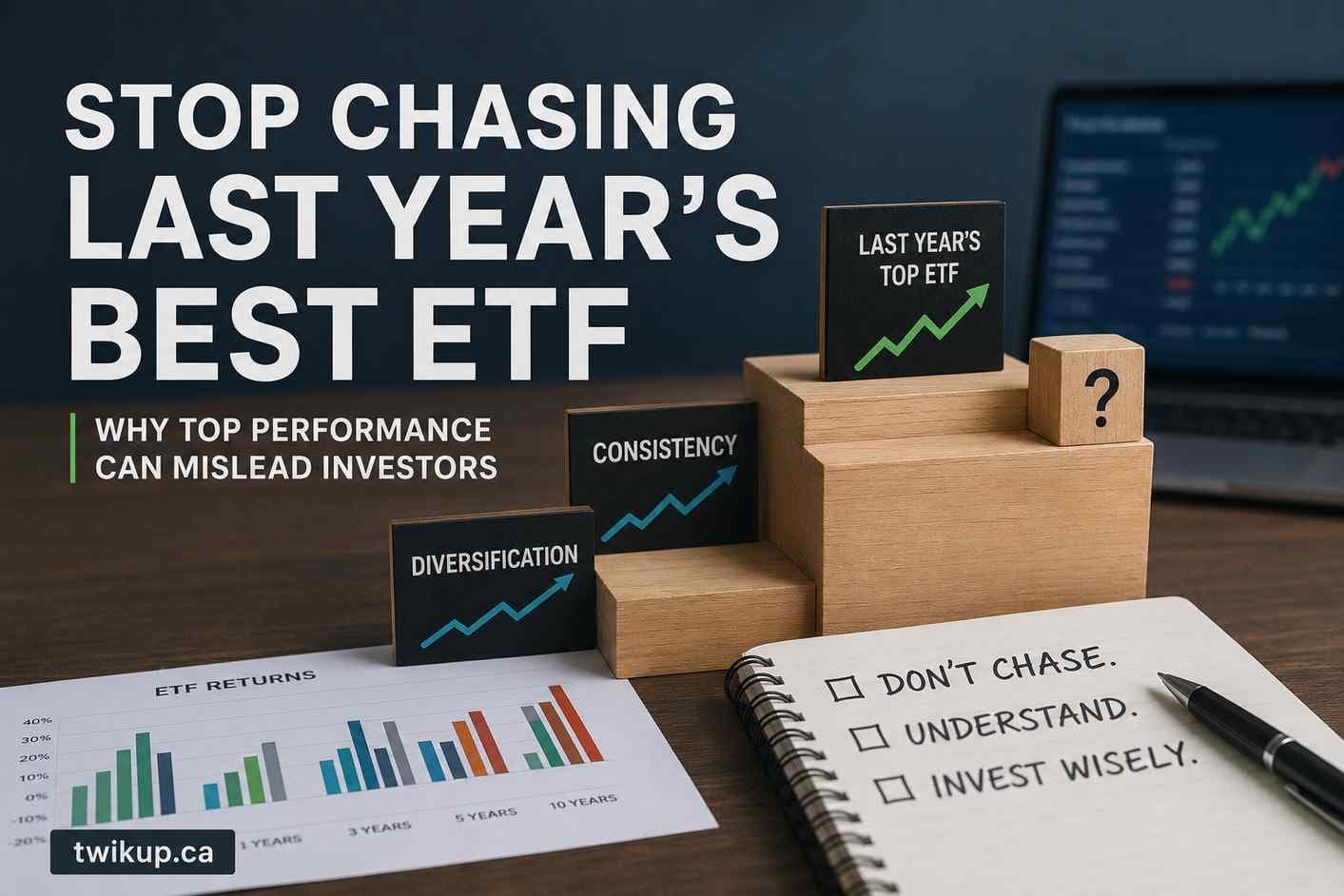
Should you buy the ETF that delivered the highest return last year? Not so fast. Learn why chasing the best-performing ETFs can hurt long-term returns, how to evaluate ETF returns over the last 10 years, and what Canadian investors should consider before investing. Includes practical examples, common mistakes, and a smarter framework for choosing ETFs instead of following recent winners.
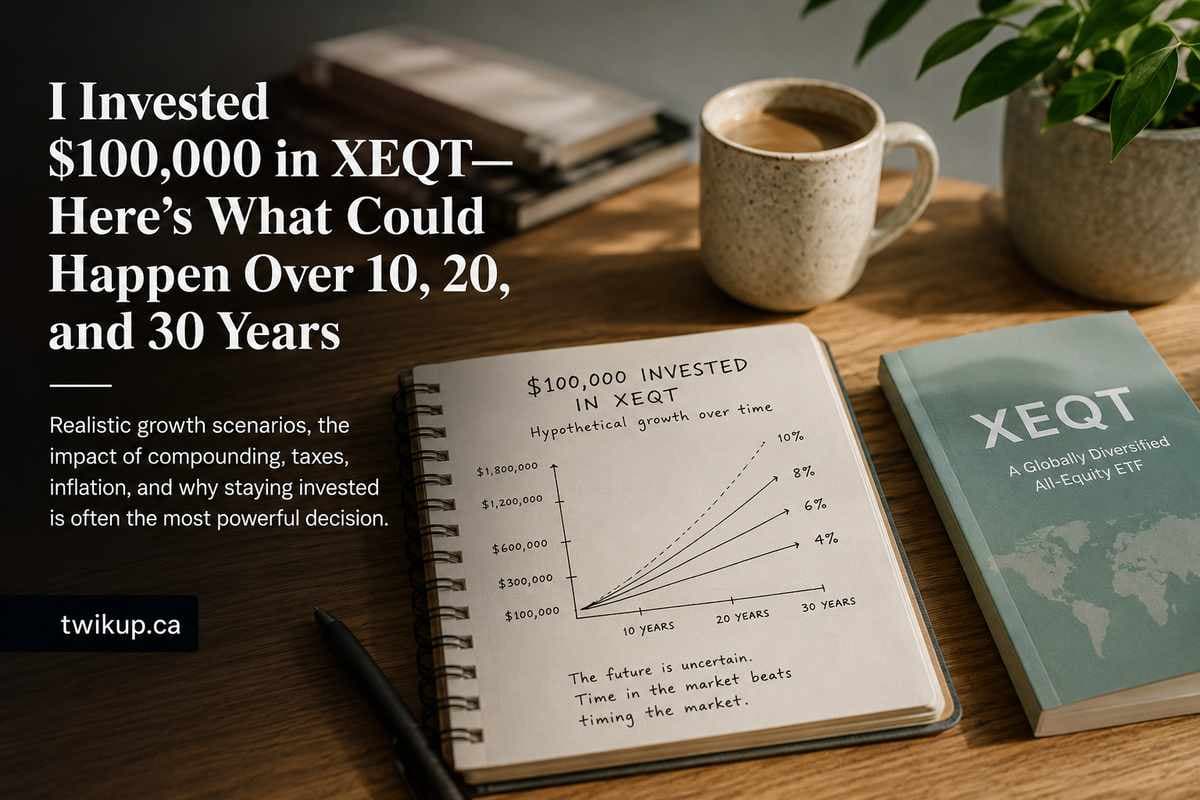
What could happen if you invest $100,000 in XEQT? Explore realistic 10-, 20-, and 30-year growth scenarios, understand the impact of compounding, inflation, taxes, and investor behaviour, and learn why staying invested often matters more than trying to time the market.
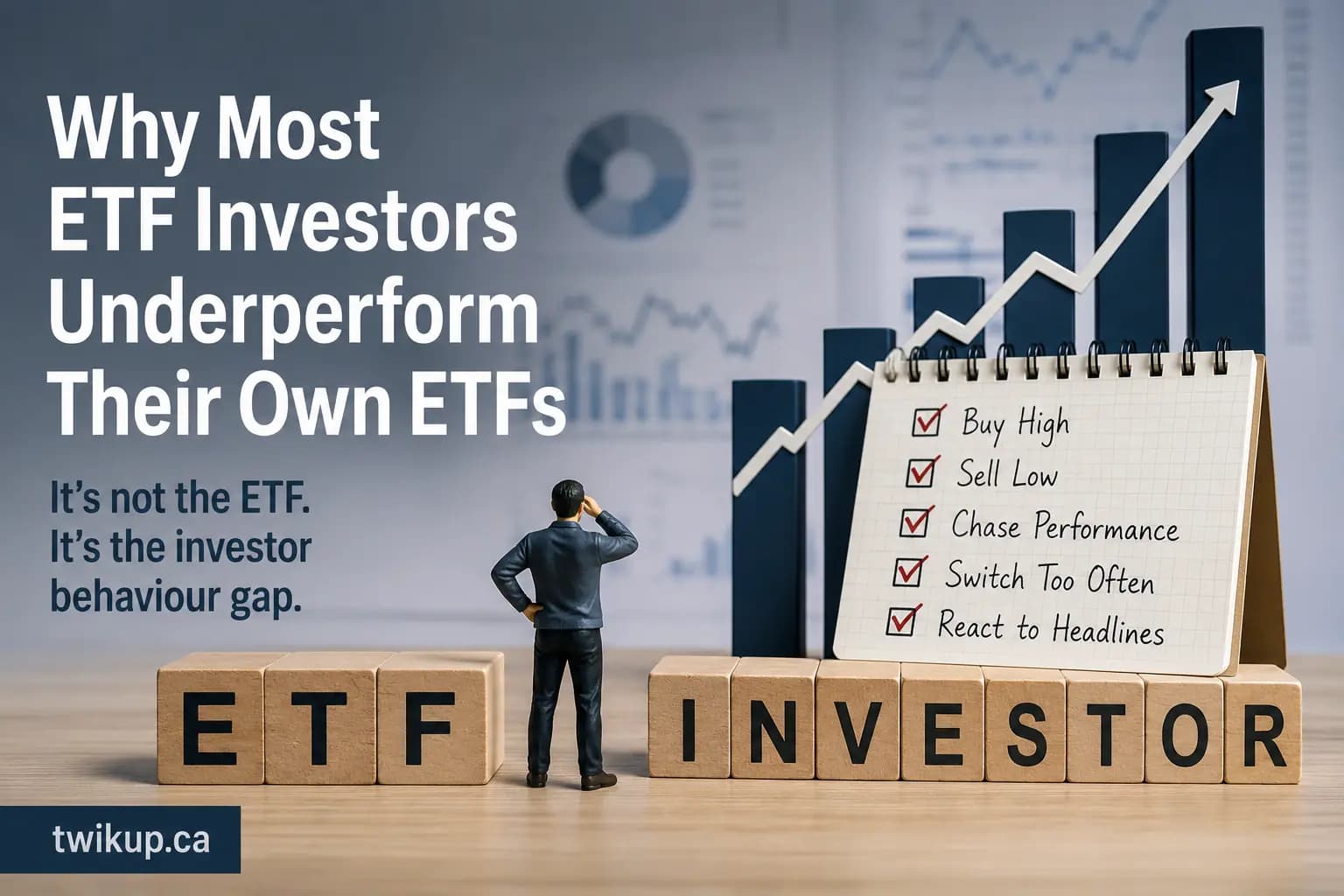
Most ETF investors don't underperform because they picked the wrong ETF—they underperform because of emotional decisions like buying high, selling during market declines, and constantly switching strategies. Learn why investor behaviour matters more than ETF selection and how Canadians can improve long-term investment results
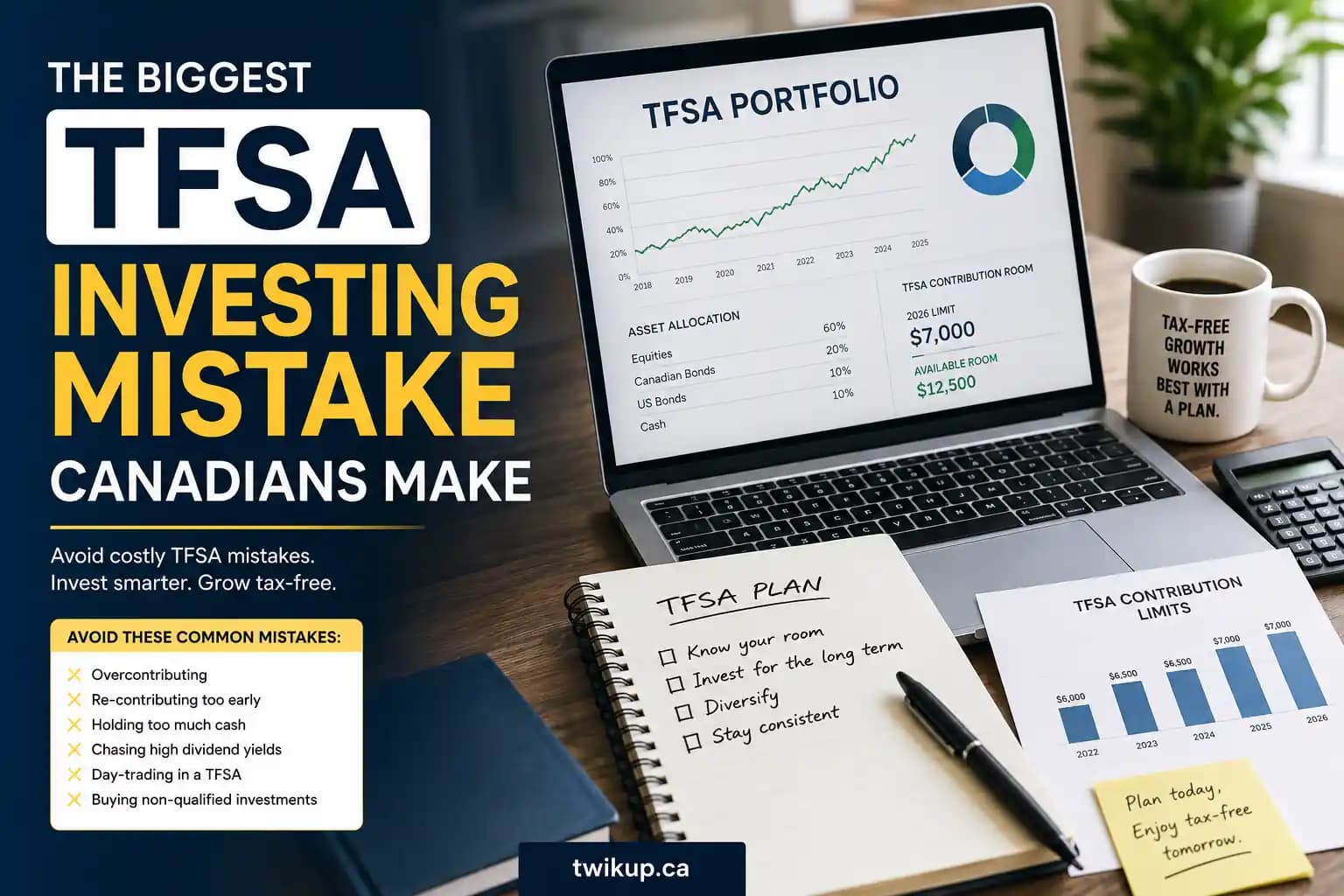
Learn the biggest TFSA investing mistakes Canadians make in 2026, from overcontributing and recontributing too early to holding too much cash or chasing risky investments. Discover how to use your Tax-Free Savings Account to build long-term, tax-free wealth while avoiding common CRA pitfalls.
Understand whether your portfolio has too much AI exposure, if the Magnificent Seven are still worth owning, and why diversification matters for long-term investing in 2026.
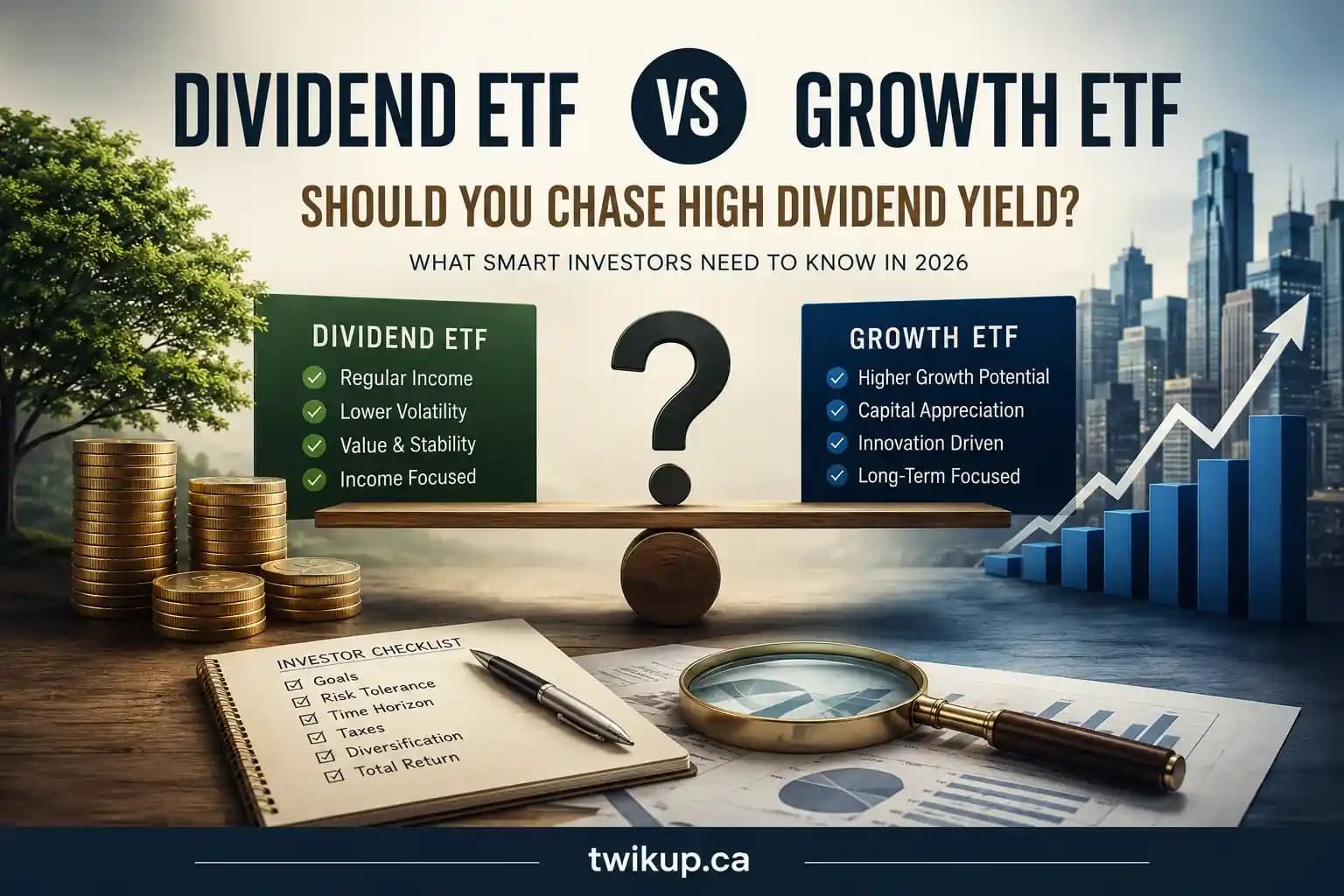
Dividend ETFs can feel safer because they pay regular income, while growth ETFs can feel more exciting because they target long-term capital appreciation. This 2026 guide explains the real trade-off, why high dividend yields can be risky, and why total return matters more than income alone.
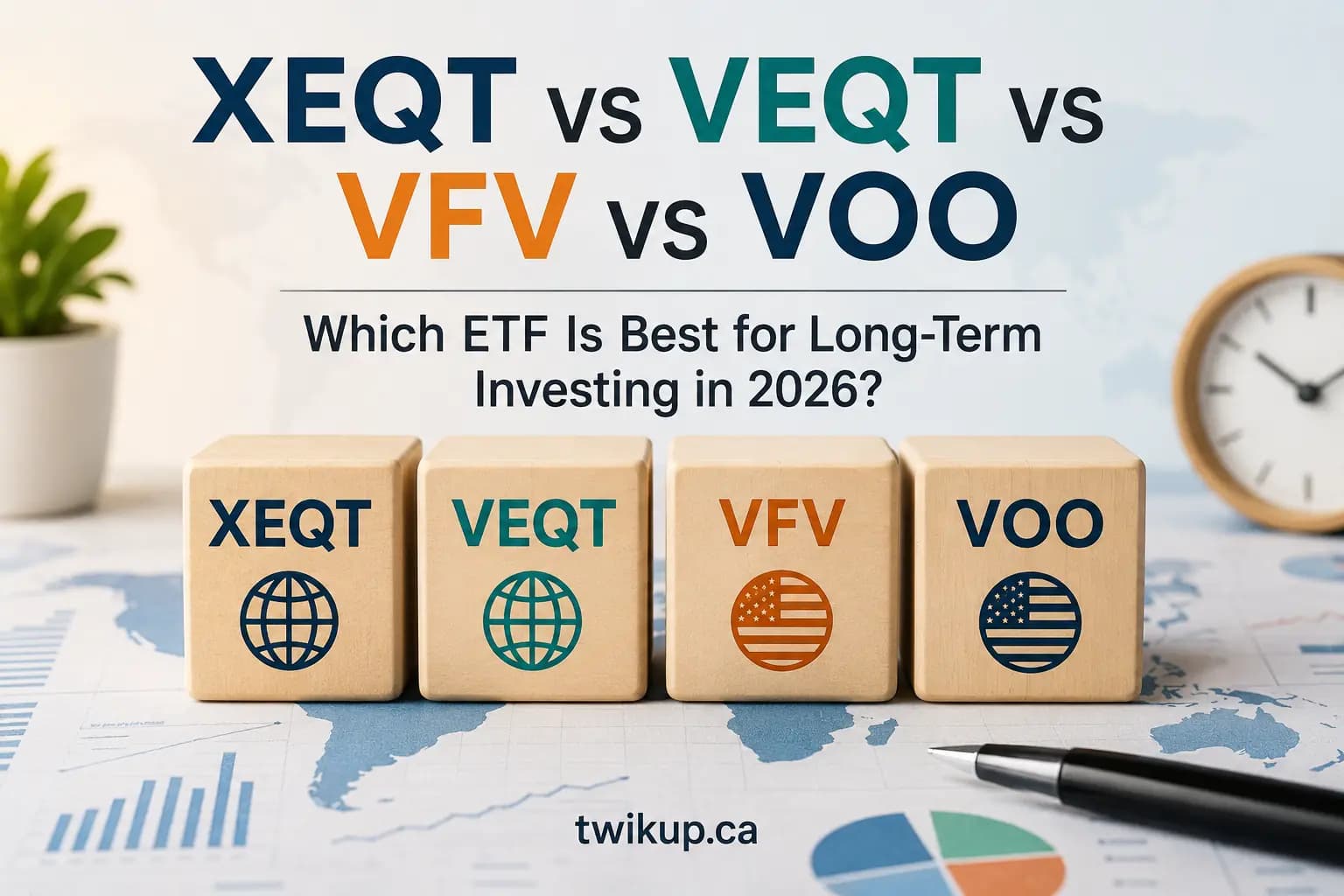
XEQT, VEQT, VFV or VOO? Compare global diversification, S&P 500 exposure, fees, risk, taxes and investing strategies to find which ETF may fit your long-term goals in 2026.
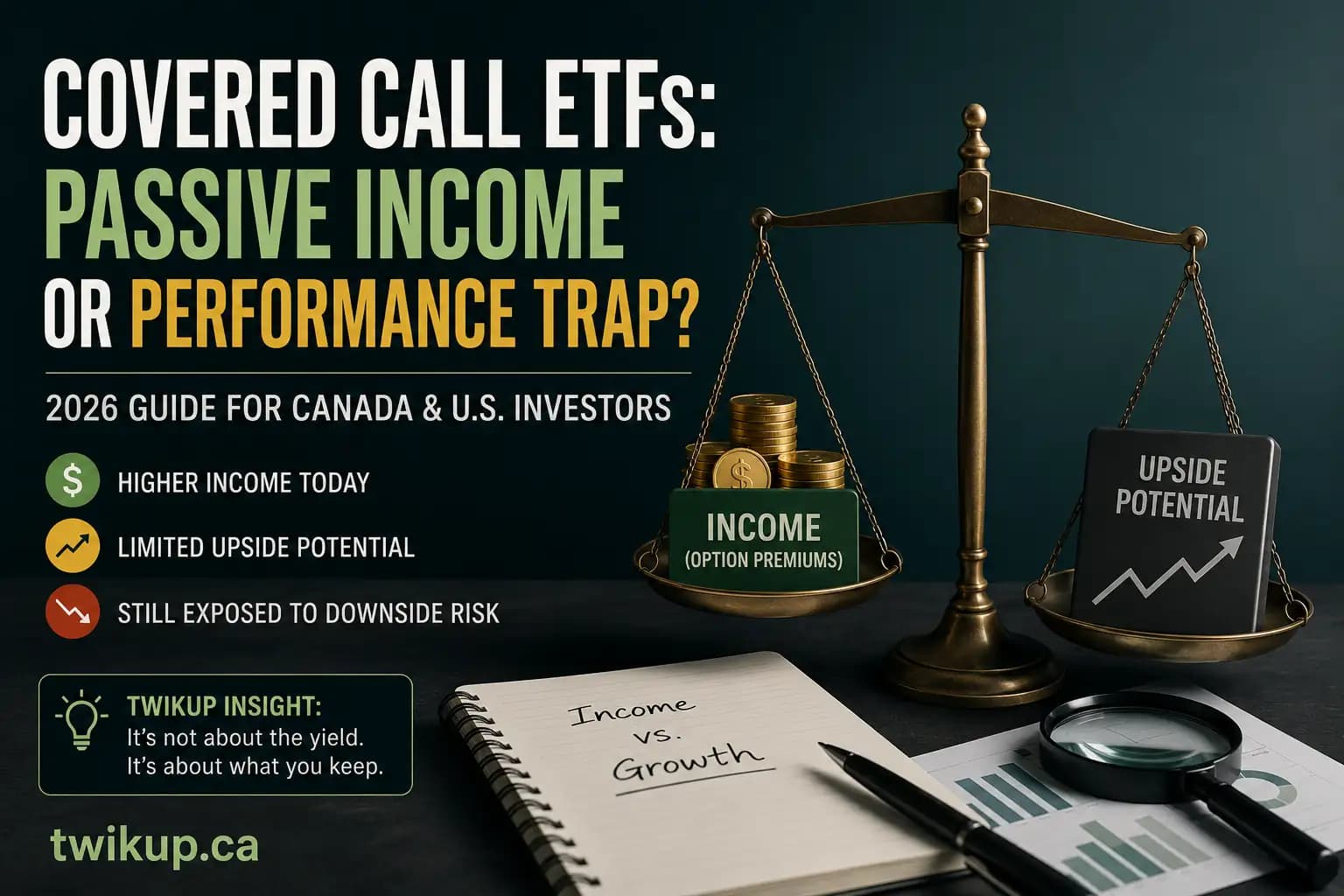
Covered call ETFs promise high monthly income—but what are investors giving up in return? This 2026 Canada and U.S. guide explains how covered call ETFs work, why high yields can hide lower total returns, when these strategies may make sense, and how taxes, market conditions, and long-term compounding can turn passive income into a potential performance trap.
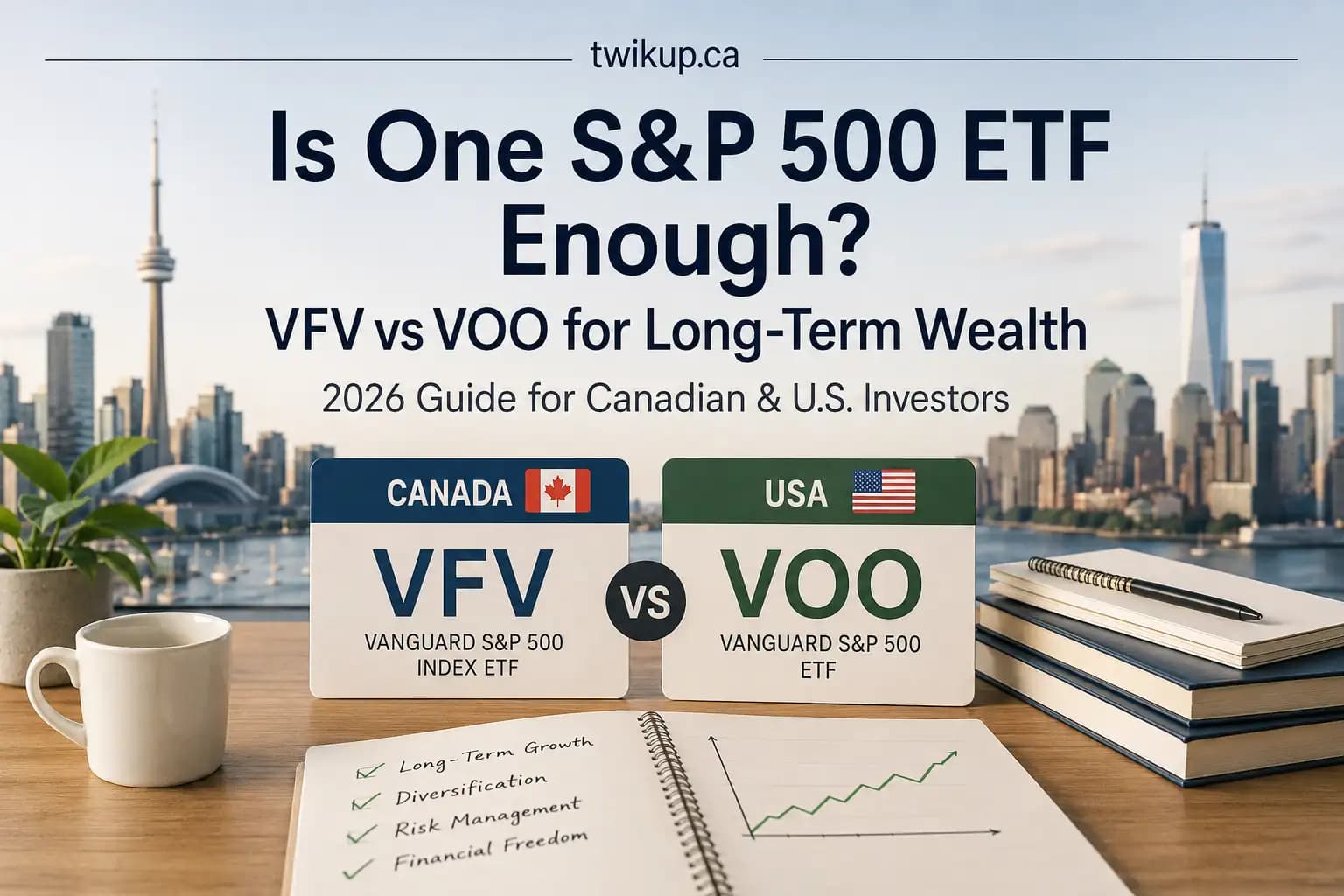
Is one S&P 500 ETF enough for long-term wealth? This guide compares VFV for Canadian investors and VOO for U.S. investors, explaining when a simple S&P 500 strategy may work, when diversification matters, and what young investors should consider before going 100% into one ETF.
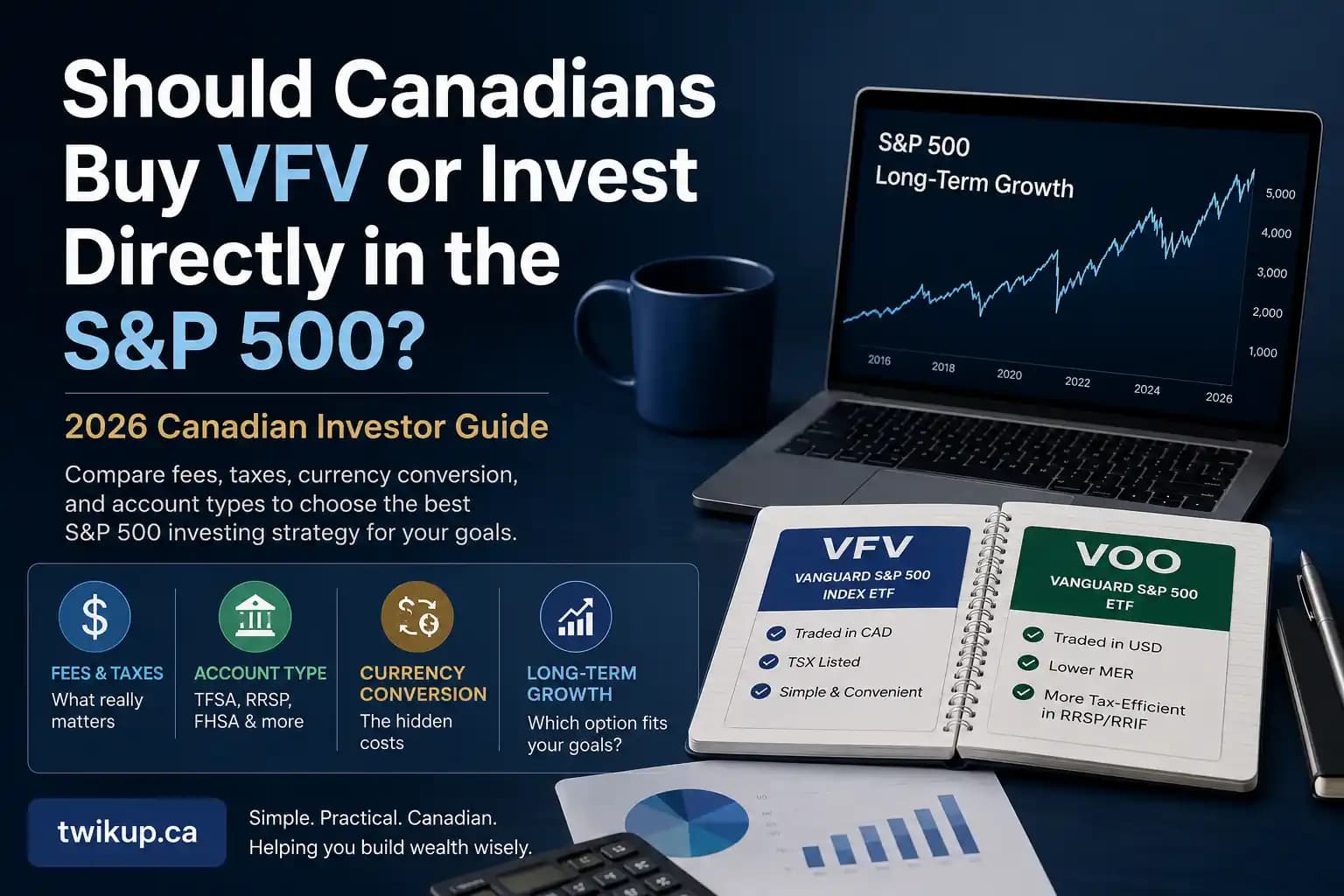
Should Canadians buy VFV or invest directly in a U.S.-listed S&P 500 ETF like VOO? This 2026 guide compares fees, taxes, currency conversion, TFSA and RRSP considerations, and long-term investing strategies to help Canadian investors choose the option that best fits their financial goals.
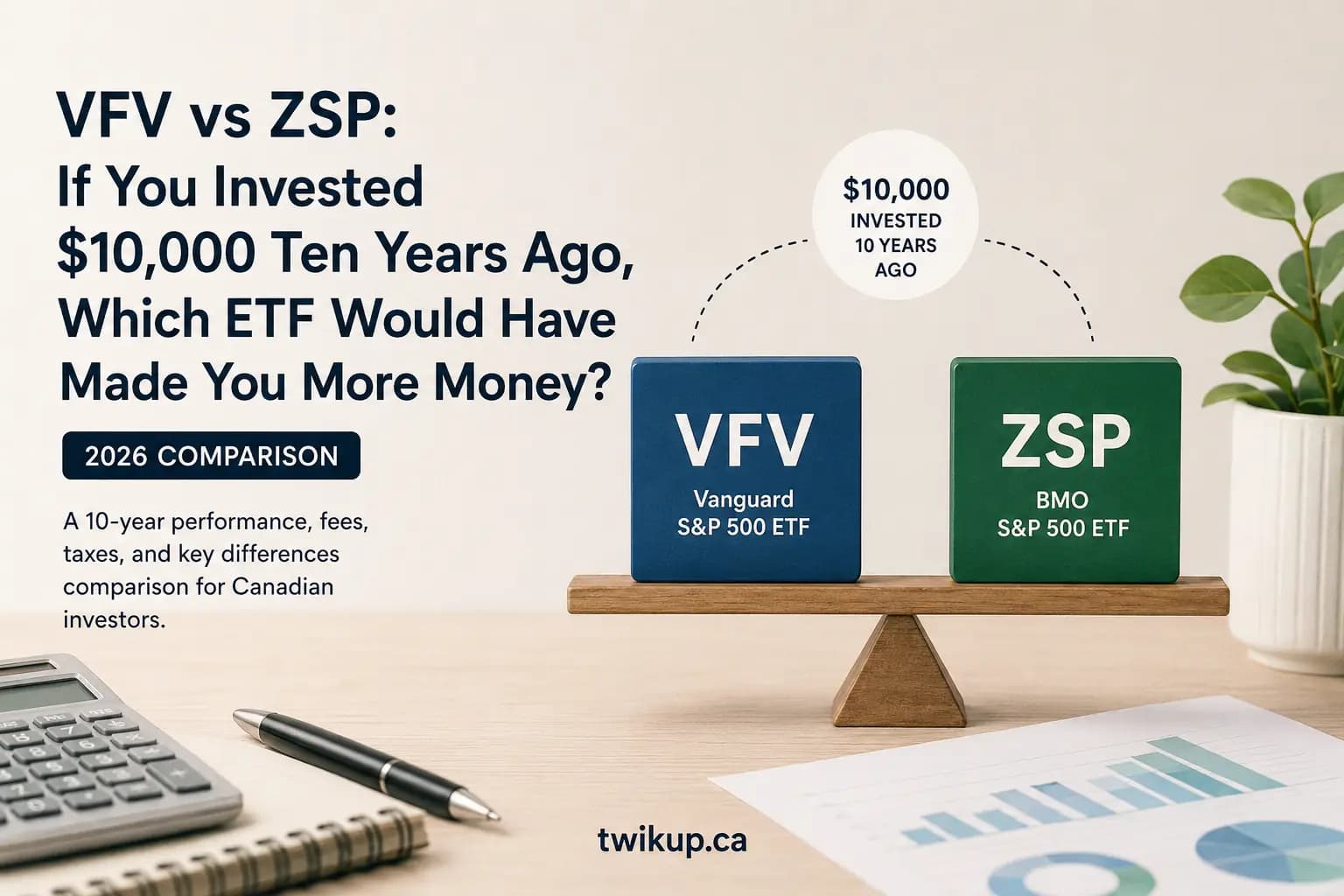
Wondering whether VFV or ZSP is the better S&P 500 ETF for Canadians? See how a $10,000 investment performed over the past 10 years, compare fees, returns, taxes, and key differences to help you make a more informed long-term investing decision.