
Key Takeaways
- Zoning potential matters only when municipal planning policy, infrastructure and other approvals support the proposed use.
- Land near transit, expanding communities and planned infrastructure deserves investigation, but location alone does not guarantee development permission.
- Investors should compare the cost of holding and servicing land against realistic development timelines and conservative resale assumptions.
Could Zoning Changes Create Development Land Opportunities in Canada in 2027?
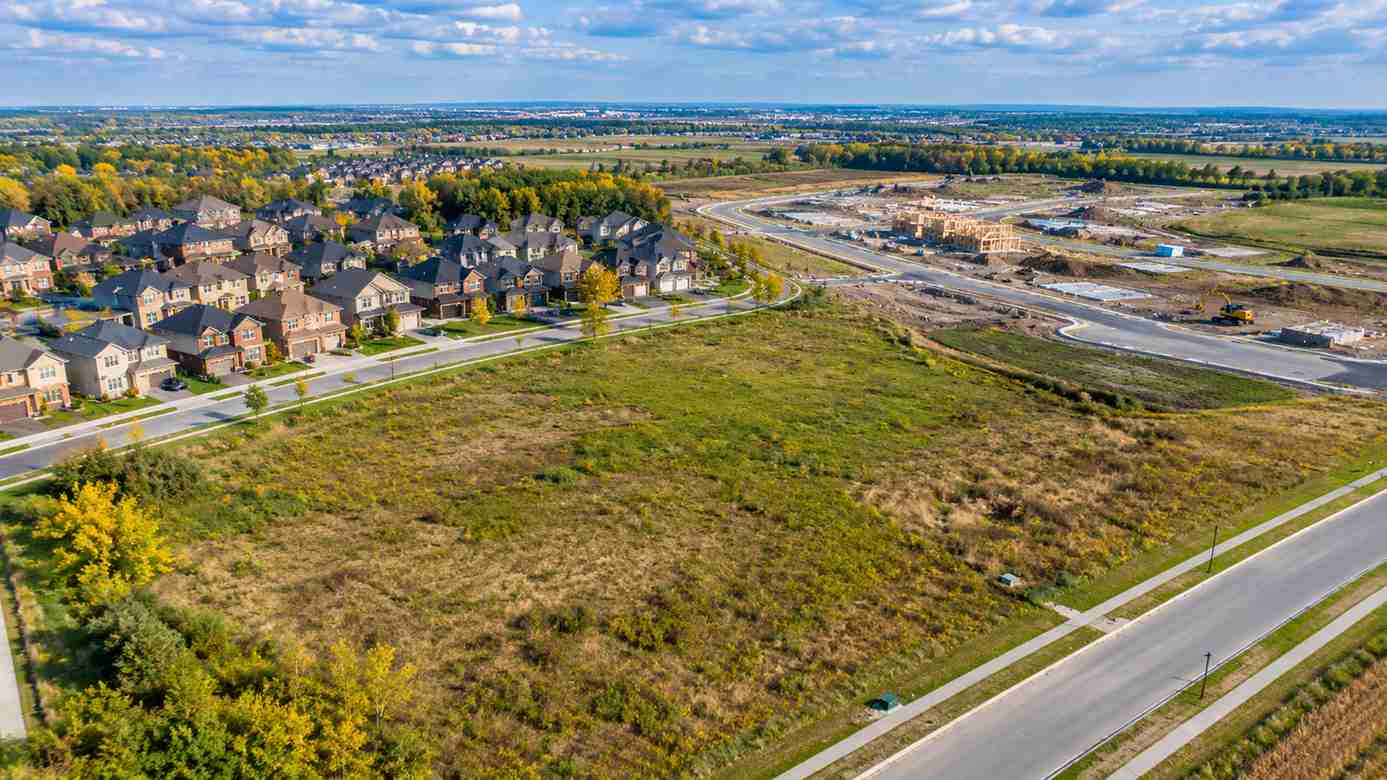
Canada development land investment is attracting attention as governments look for ways to expand housing supply and remove barriers to construction. For investors, one potential opportunity is land that could support more intensive residential, commercial or mixed-use development if planning rules change.
However, buying land because someone expects rezoning is a speculative decision. A parcel with existing development permissions is not the same as agricultural land, an environmentally restricted property or a site waiting for municipal approval. Investors need to establish what can legally be built today and what would require additional decisions.
Canada's Budget 2026 identifies zoning, permitting, development charges and housing-enabling infrastructure as areas where governments are working to support construction. These policy directions may create opportunities, but they do not automatically change the permitted use of privately owned land.
Where Could Investors Find Development Land Opportunities?
Rather than selecting provinces based only on population growth, investors should examine specific municipalities and planning areas.
Ontario: Growing communities around major employment centres and transportation corridors may offer sites worth investigating. However, municipal official plans, zoning bylaws and provincial planning policies determine whether a proposed development can proceed. Investors should check the local planning documents before assuming that land near an expanding city can become residential property.
Alberta: Calgary and Edmonton's surrounding communities may attract attention from buyers researching future housing demand. Yet a growing housing market does not guarantee that nearby agricultural or undeveloped parcels will receive residential permissions. Local infrastructure capacity, municipal growth plans and servicing costs remain important.
British Columbia: Land near established urban centres may have development appeal, but agricultural restrictions can be significant. Properties inside the Agricultural Land Reserve are subject to rules that prioritize farming. Local zoning permission alone does not override those provincial restrictions.
These are research areas, not a ranking of guaranteed investment locations. The most promising parcel depends on its planning status, infrastructure access and realistic development economics.
How Can Zoning Changes Increase Land Value?
Zoning rules determine the types of uses and buildings permitted on a property. They can also regulate building height, density, setbacks, parking and lot dimensions.
Imagine a hypothetical parcel currently permitted for low-density use. If a municipality approves a higher-density residential designation, the site may support more units than before. That additional development capacity could make the land more attractive to builders.
But the value increase is not automatic. A developer will consider the cost of acquiring the land, construction expenses, approval conditions, financing, development charges and the expected selling or rental income.
Investors should also distinguish between three situations:
- Existing development permissions: The intended use is already allowed, subject to required permits and conditions.
- Application submitted: A rezoning or planning application is under review, but approval has not been granted.
- Future policy possibility: A municipality may consider changes, but no formal approval has been secured.
The third category carries the greatest uncertainty. Paying a price based on an unapproved future use can leave investors holding land that cannot support their original plans.
What Should Buyers Check Before Purchasing Development Land?
Start with the property's legal description, title, current zoning and municipal official plan designation. Confirm permitted uses directly with the planning department rather than relying entirely on a listing description or seller's estimate.
Next, investigate servicing. A parcel may appear close to a developed neighbourhood but still lack access to municipal water, wastewater, electricity or adequate roads. Extending these services can be expensive and may require agreements or infrastructure contributions.
Environmental and physical conditions matter as well. Wetlands, flood exposure, protected habitats, soil contamination, steep slopes and drainage limitations can restrict construction or increase project costs. Depending on the site, professional environmental assessments, geotechnical studies and engineering reports may be necessary.
Also examine whether the parcel can legally be subdivided. Owning a large property does not mean an investor can automatically divide it into smaller lots for sale.
What Are the Financial Risks of Development Land Investment?
Development land can produce no regular rental income while an investor waits for approvals. During that period, property taxes, financing costs, insurance, maintenance and professional fees may continue.
For example, assume an investor buys a hypothetical parcel for $500,000 and spends another $40,000 on legal, planning and preliminary technical work. The initial commitment becomes $540,000 before construction or servicing.
If the rezoning application is refused, the investor may be left with land worth less than the amount spent. If approval takes several years, interest and holding costs can reduce the potential return even when the application eventually succeeds.
A sound assessment should therefore include a downside scenario: What is the land worth under its current zoning, and could the investor afford to hold it if the proposed development never receives approval?
TwikUp's Perspective
Development land opportunities are closely connected to the direction of Canada's wider housing market. Population growth, housing demand, regional affordability and new construction activity can influence where future development may become economically attractive. Investors evaluating vacant land should also understand the broader property-market outlook before choosing a location.
Explore TwikUp's Canada Housing Market 2027: Which Cities Could See the Strongest Price Growth? to compare projected housing trends across major Canadian cities and understand how regional market conditions could shape future development opportunities.
Disclaimer
This article is for general educational purposes only and does not constitute legal, tax, financial or investment advice. Zoning, land-use permissions and development approvals vary by province and municipality. Land investment involves market, planning, financing and environmental risks. Consult qualified planning, legal, environmental and financial professionals before purchasing.