Twikup logo
Twikup

Topic

Space & Astronomy

In Science

Latest in Space & Astronomy

Newest first
Why Is the Sky Blue? (And Why It Isn't Violet)

Science

Why Is the Sky Blue? (And Why It Isn't Violet)

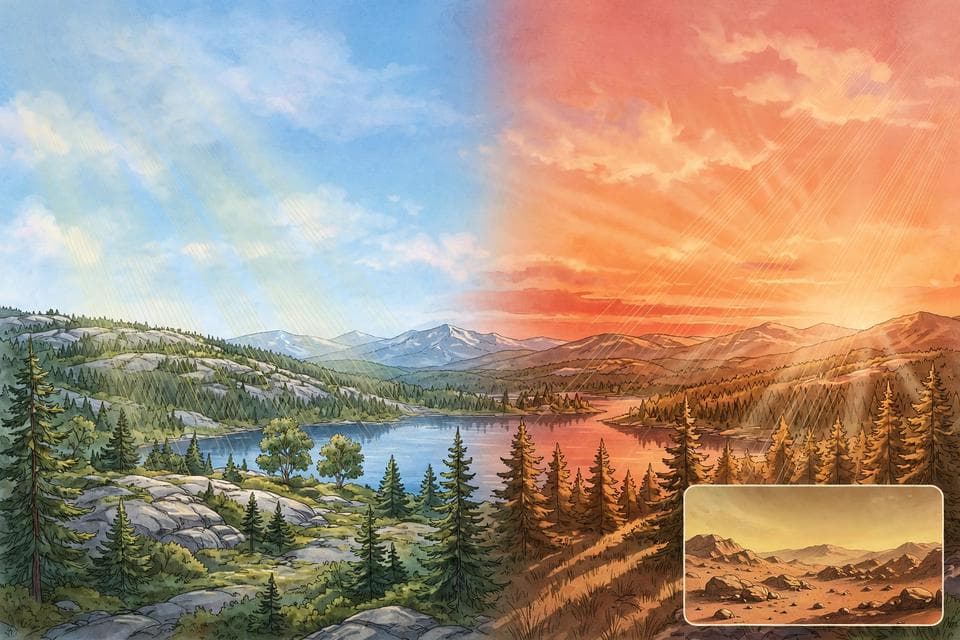
Violet light scatters even more than blue — so why isn't the sky purple? The answer runs from a 19th-century physicist's equation to the inside of your own eyes, and it explains red sunsets and Mars's upside-down sky along the way.

Nov 7, 2026•14 views today
How GPS Knows Where You Are, Down to a Few Metres

Science

How GPS Knows Where You Are, Down to a Few Metres

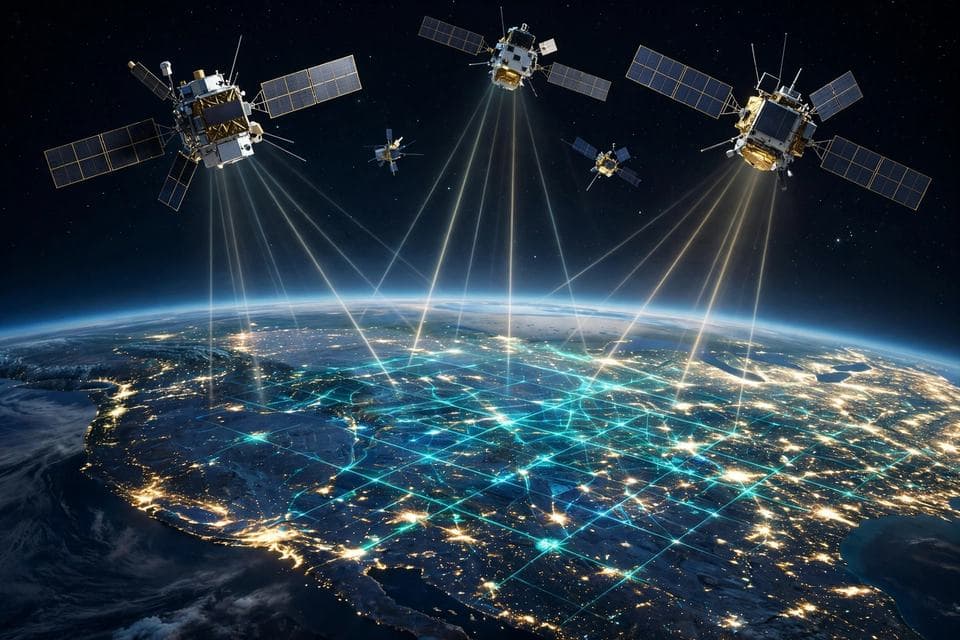
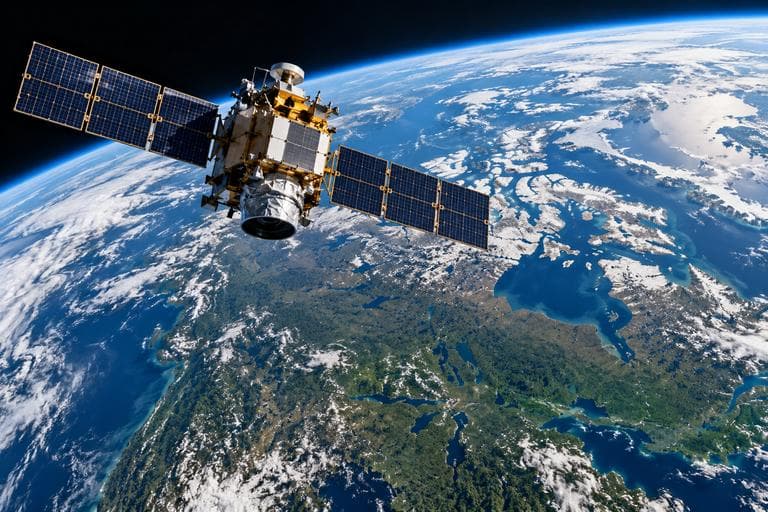
Your phone finds itself by timing radio signals from satellites 20,000 km overhead — signals timed so precisely that Einstein's relativity has to be corrected for, every day. Here's how the trick works.

Nov 7, 2026•13 views today
Why the Moon Looks Bigger Near the Horizon

Science

Why the Moon Looks Bigger Near the Horizon

The huge Moon rising over the rooftops is the same size as the small one overhead — your brain is doing the enlarging. NASA explains the 2,000-year-old mystery, the theories scientists still argue about, and the simple tests that prove it.

Nov 6, 2026•15 views today
NASA Wants to Save the Hubble Space Telescope Before It Falls Back to Earth

Science

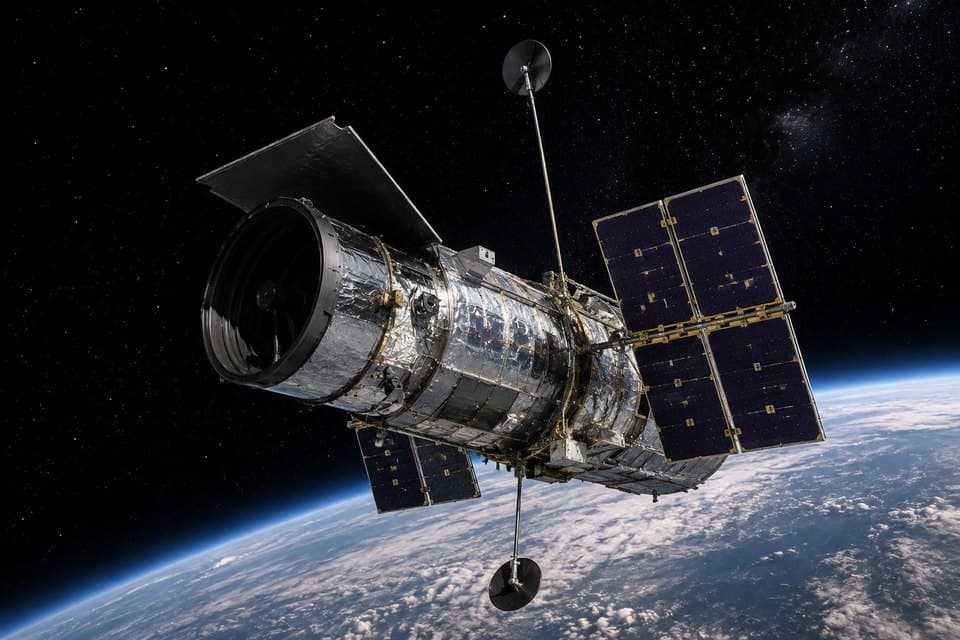
NASA Wants to Save the Hubble Space Telescope Before It Falls Back to Earth

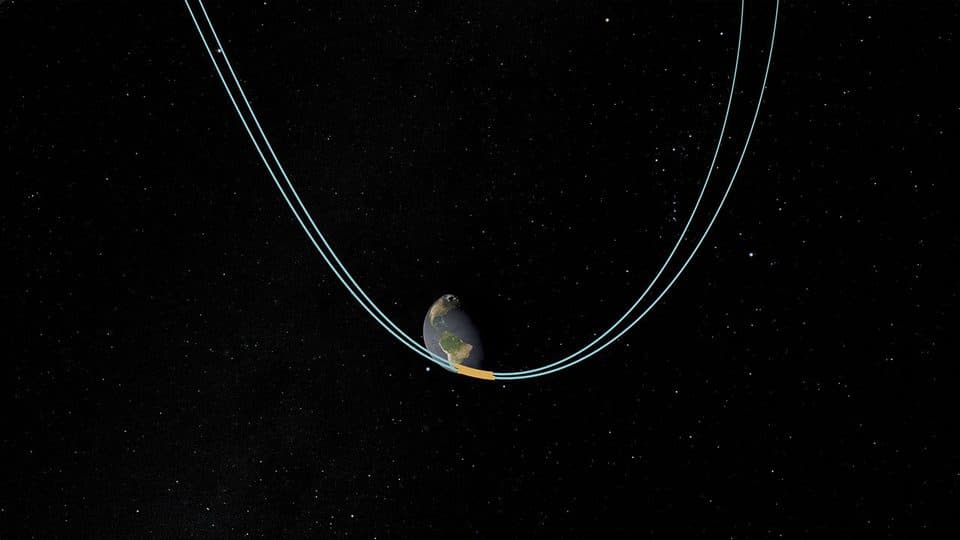
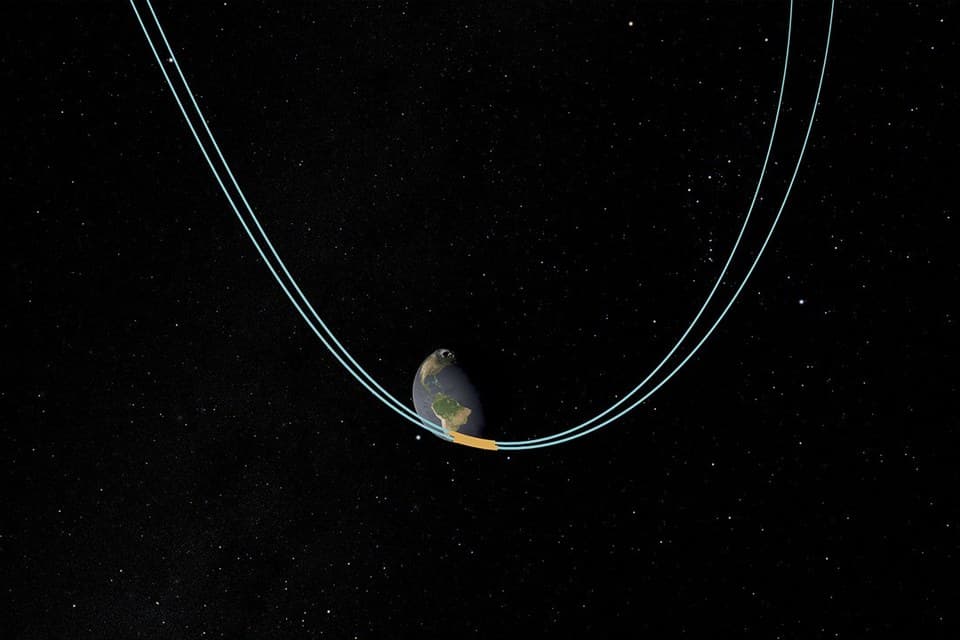
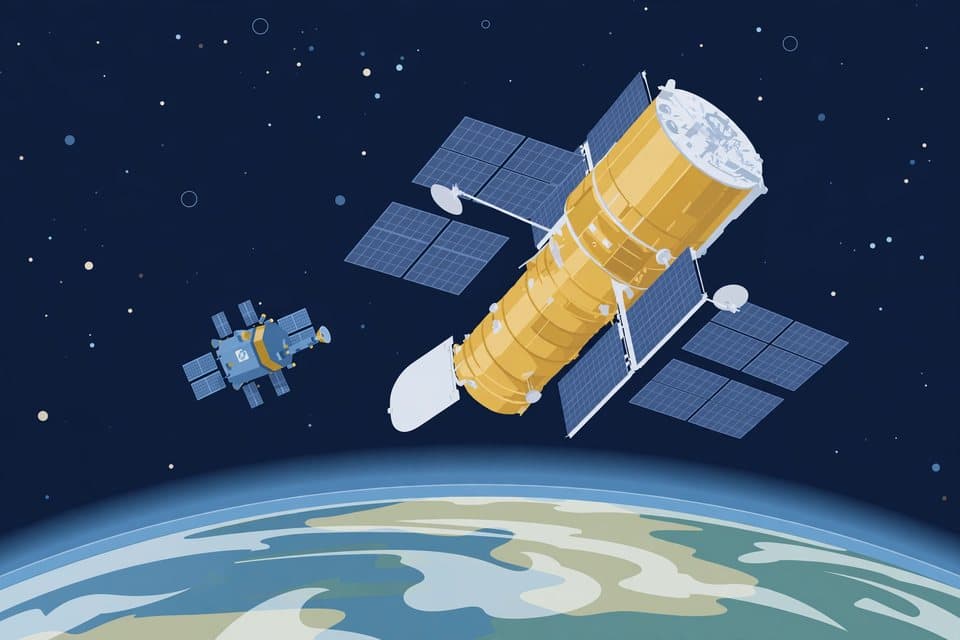
After more than 35 years of observing the universe, the Hubble Space Telescope is gradually losing altitude because atmospheric drag is pulling its orbit lower. NASA is seeking industry ideas for a possible mission before 2032 that could raise Hubble’s orbit, upgrade the observatory, or manage its eventual controlled re-entry or disposal.

Oct 31, 2026•40 views today
NASA's Twin Satellites Reveal How the Sun Disrupts Earth's Magnetic Shield

Science

NASA's Twin Satellites Reveal How the Sun Disrupts Earth's Magnetic Shield

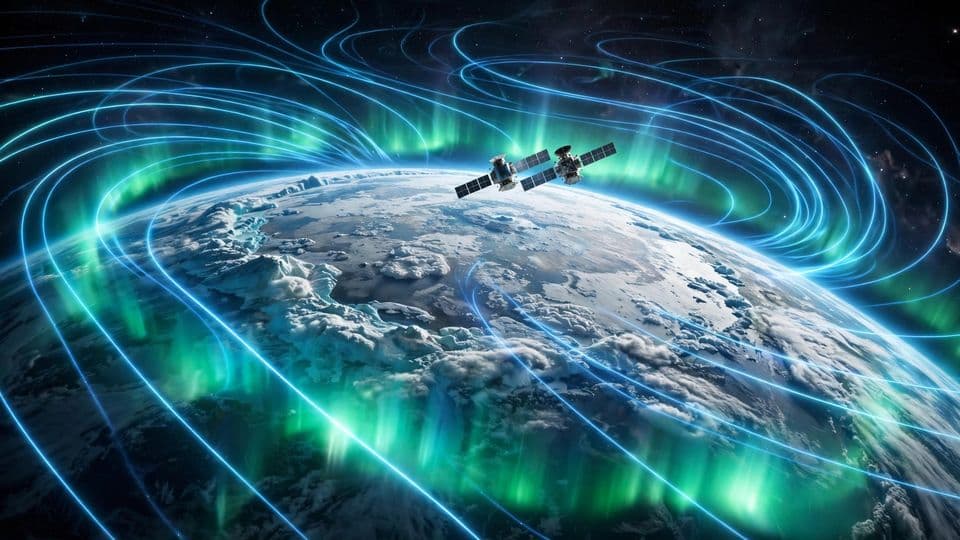
NASA’s twin TRACERS satellites are offering new insight into magnetic reconnection above Earth’s poles. Their early measurements suggest the explosive process may shift across locations rather than repeatedly change intensity in one place. The findings could improve scientists’ understanding of how solar-wind energy enters Earth’s space environment and contributes to geomagnetic storms, though more observations are needed to confirm the result.

Oct 30, 2026•14 views today
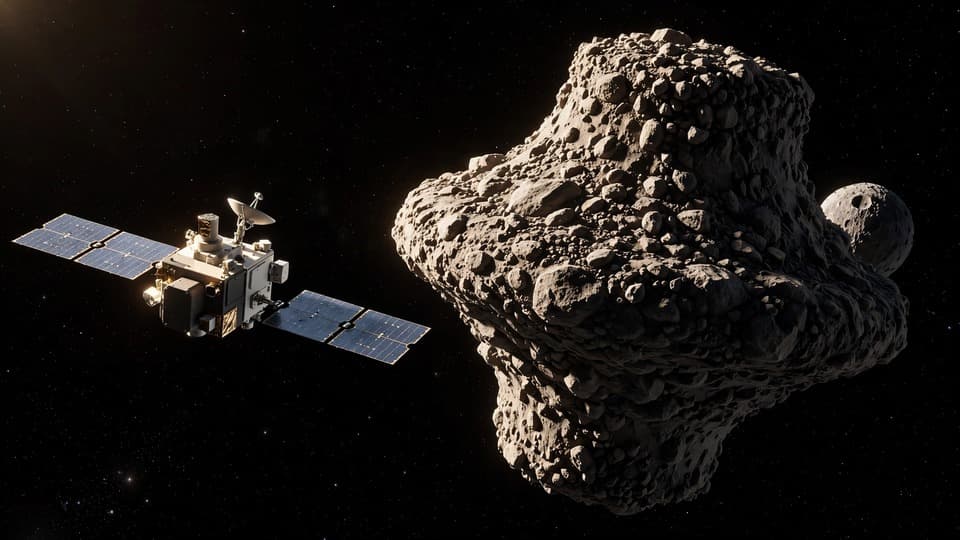
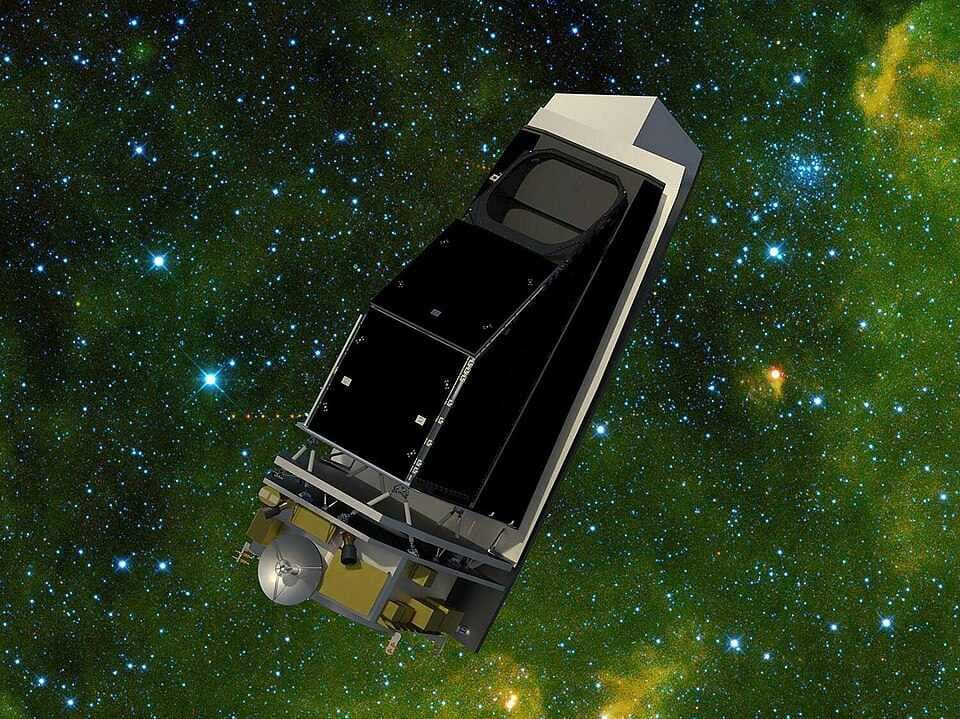
NASA's Asteroid Hunter Gets a 20-Foot Sunshade With 864 Solar Cells

Science

NASA's Asteroid Hunter Gets a 20-Foot Sunshade With 864 Solar Cells

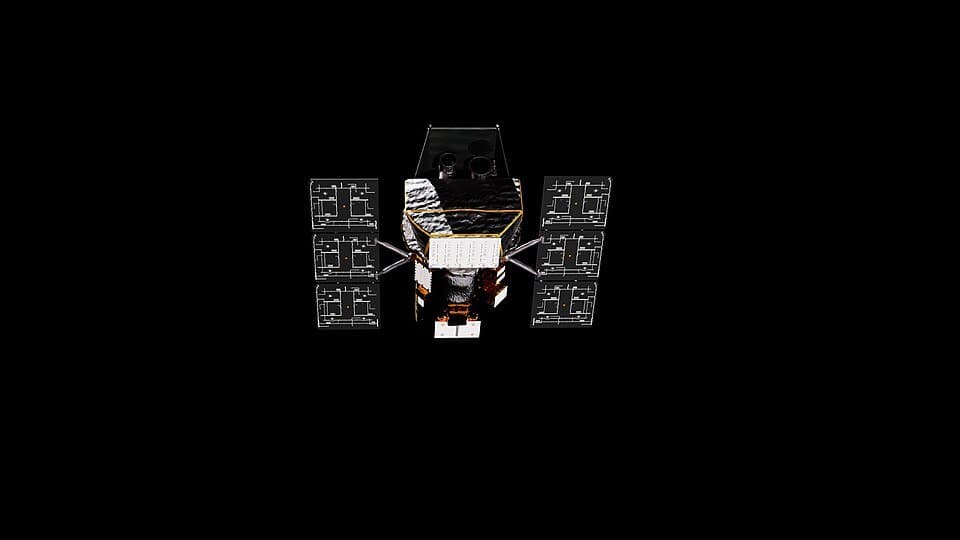
NASA has finished integrating the solar array onto NEO Surveyor's 20-foot sunshade, the largest component of the asteroid-hunting telescope, which will also power the spacecraft and shield its infrared telescope from the Sun's glare.

Oct 27, 2026•21 views today
Toronto’s Final Torontohenge Sunset of 2026 Lights Up Downtown Streets

Science

Toronto’s Final Torontohenge Sunset of 2026 Lights Up Downtown Streets

Key Takeaways Torontohenge’s main October alignment was predicted for October 25, 2026, at approximately 6:18 p.m. Toronto time. Wellington, King, Adelaide and Richmond streets are among the recommended downtown viewing locations. The alignment is a natural result of the Sun’s changing position and Toronto’s street grid orientation, not a special astronomical event like an eclipse.

Oct 26, 2026•11 views today
Canadian Astronaut Completes Space Station's Final Solar Power System

Science

Canadian Astronaut Completes Space Station's Final Solar Power System

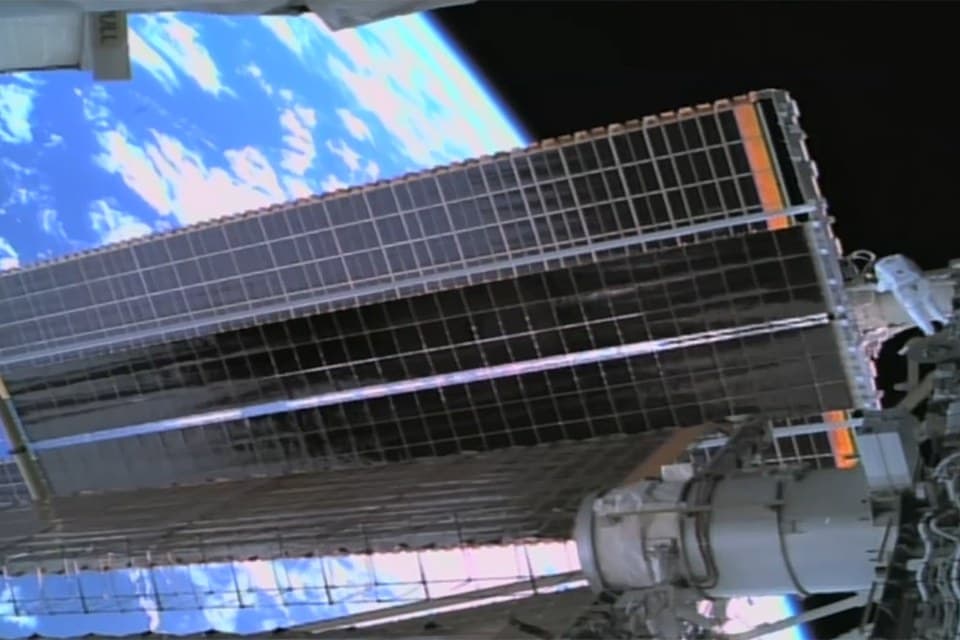
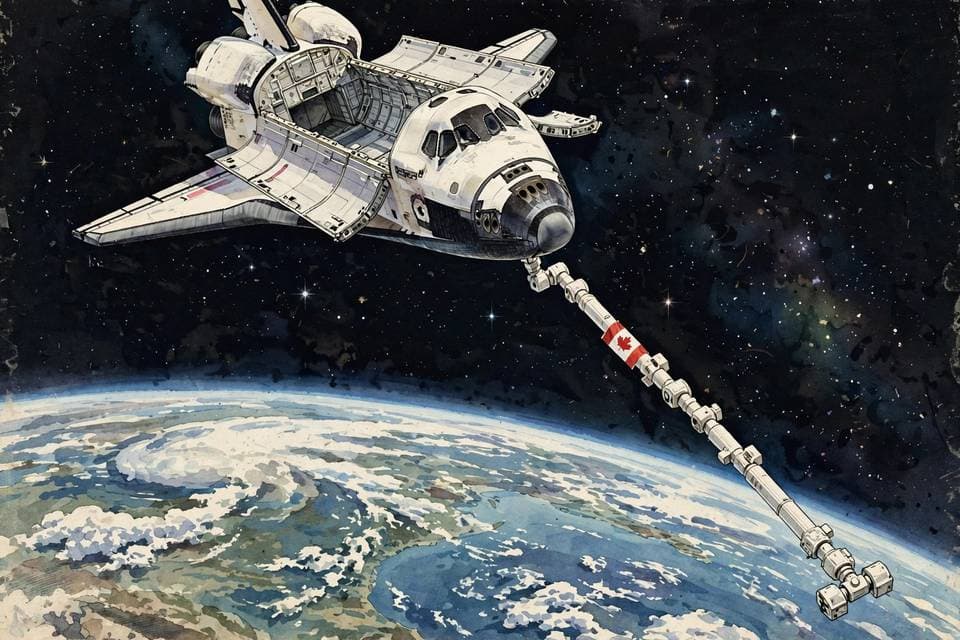
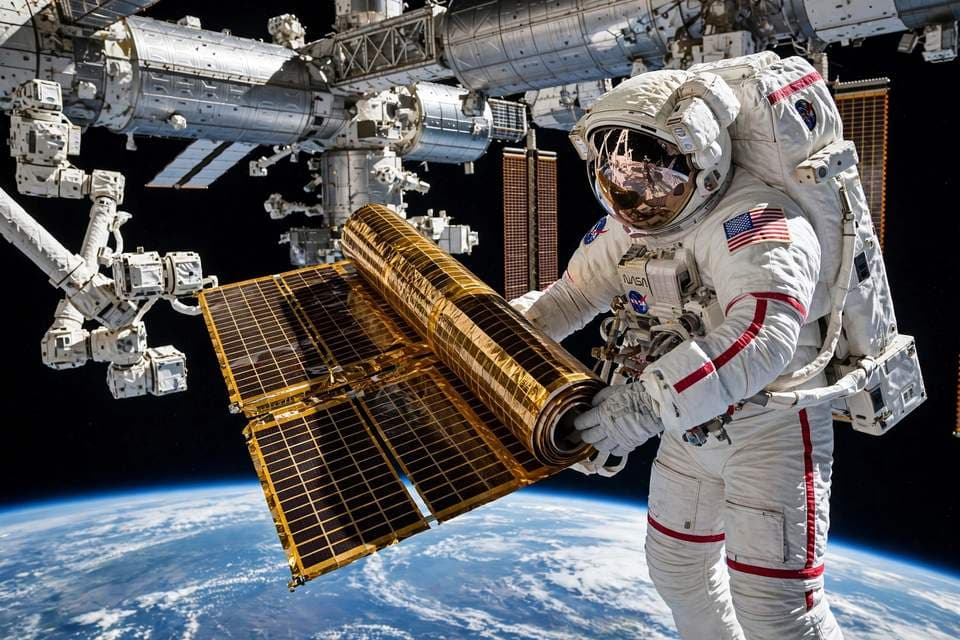
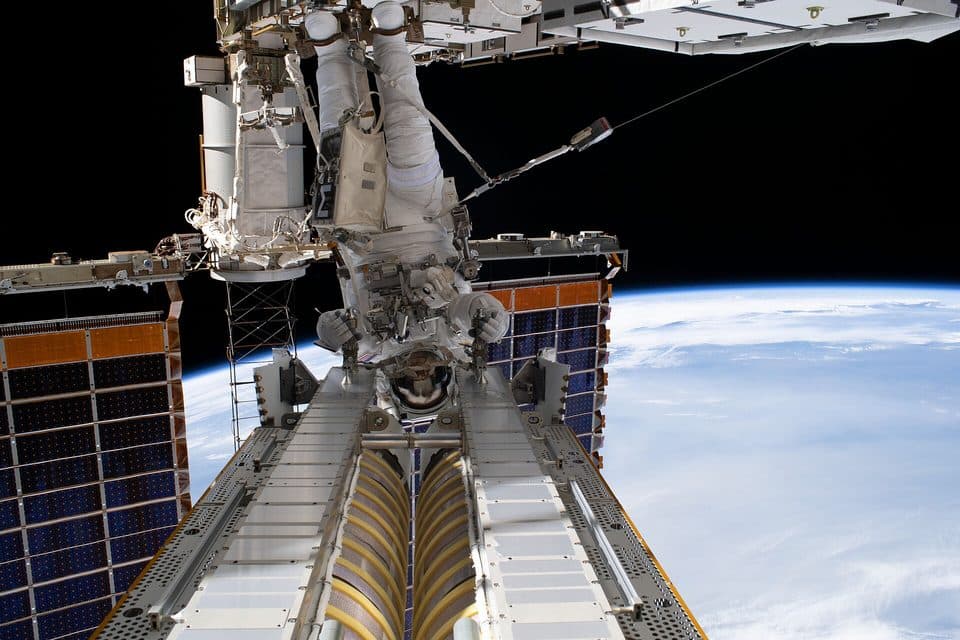
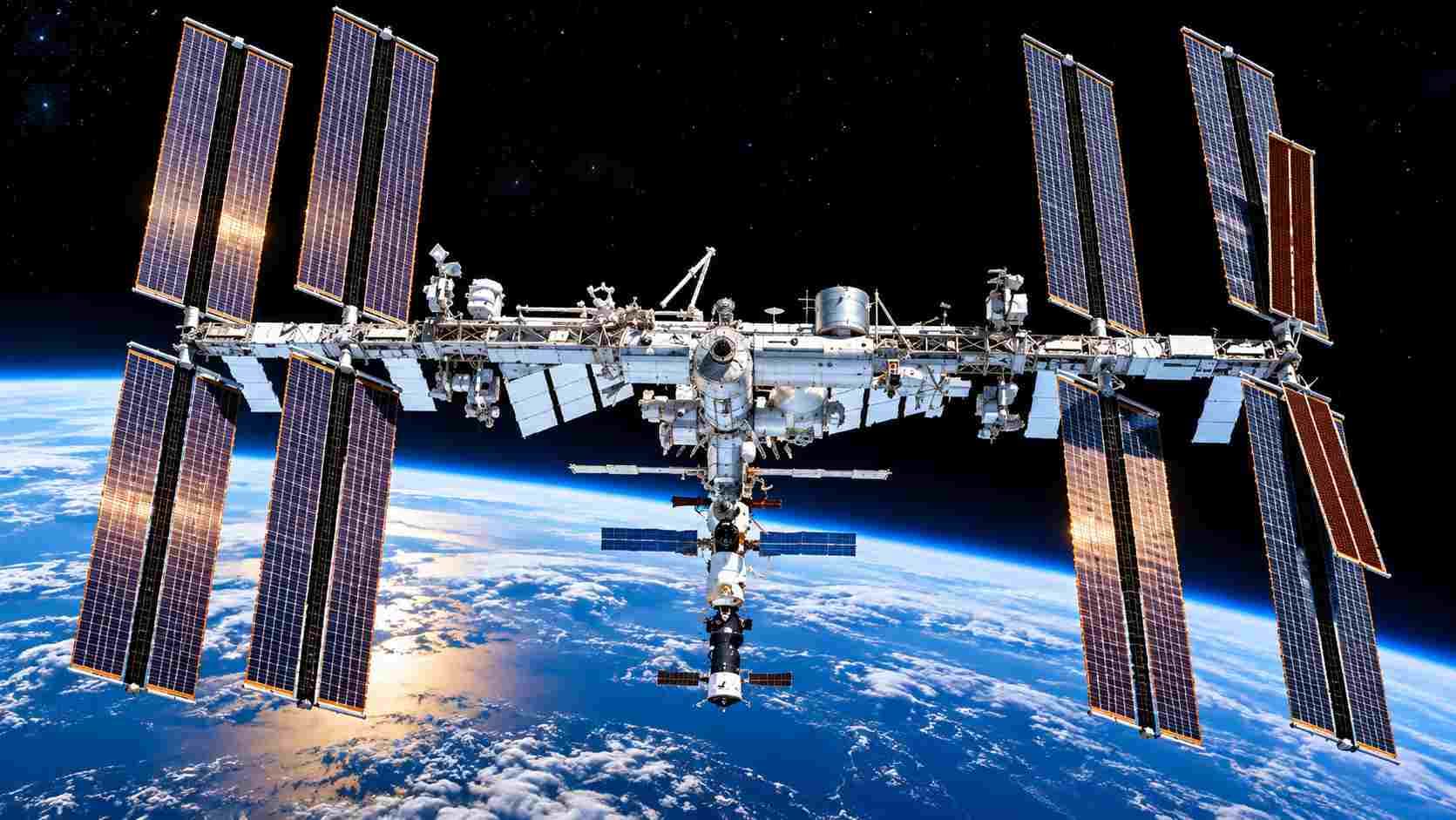
NASA has scheduled two spacewalks a week apart for astronauts Anil Menon and Joshua Kutryk to install the final two roll-out solar arrays on the International Space Station. The upgrades are expected to raise available power by up to 30 percent. For Kutryk, the outings will be his first spacewalks and a major Canadian milestone.

Oct 26, 2026•11 views today
NASA Switches Off Swift Observatory After 22 Years; Re-Entry Expected Within Weeks

Science

NASA Switches Off Swift Observatory After 22 Years; Re-Entry Expected Within Weeks

NASA has ended the Neil Gehrels Swift Observatory mission after nearly 22 years of studying gamma-ray bursts and other cosmic events. Designed for a two-year mission, Swift produced data supporting thousands of scientific papers. The low-Earth-orbit satellite is now descending toward Earth, with most of the spacecraft expected to burn up during atmospheric re-entry within weeks.

Oct 25, 2026•17 views today
Canada’s Joshua Kutryk Gets New Crew-13 Launch Date for Space Station Mission

Science

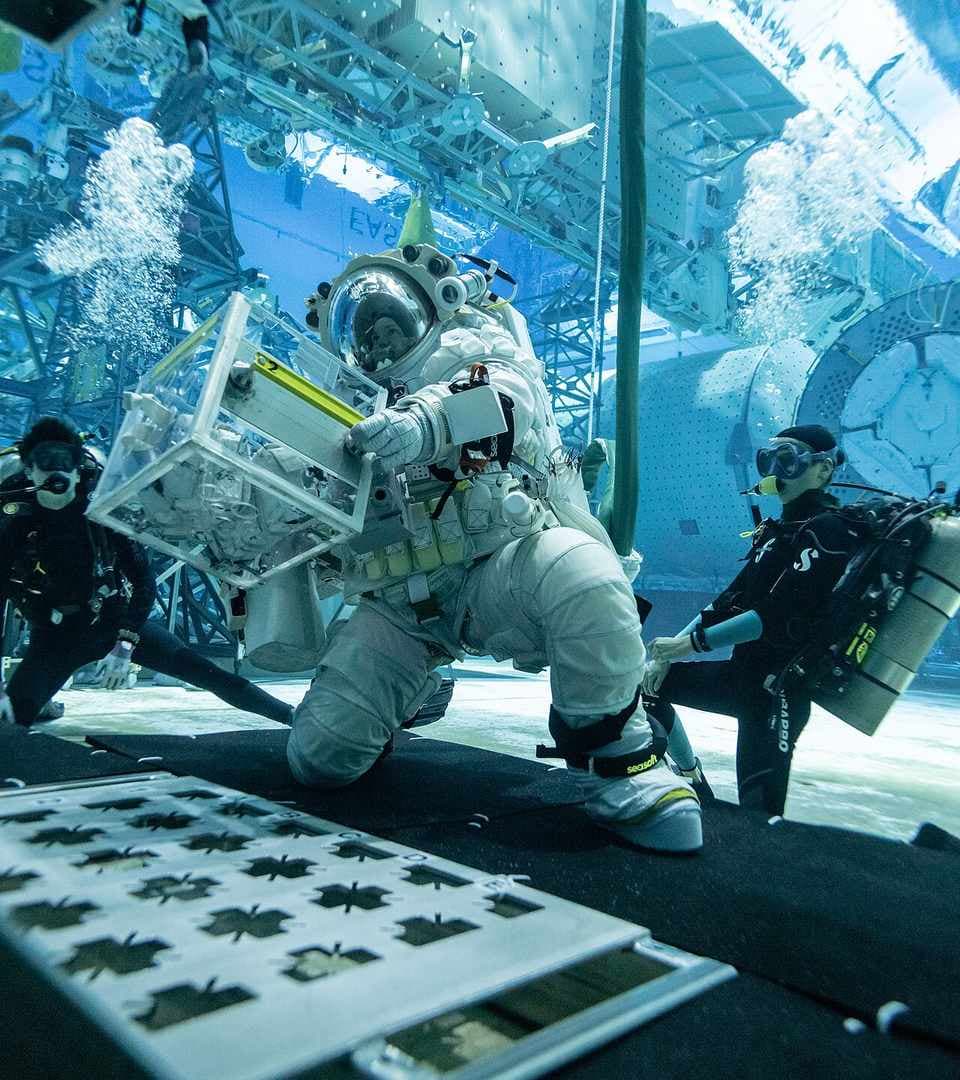
Canada’s Joshua Kutryk Gets New Crew-13 Launch Date for Space Station Mission

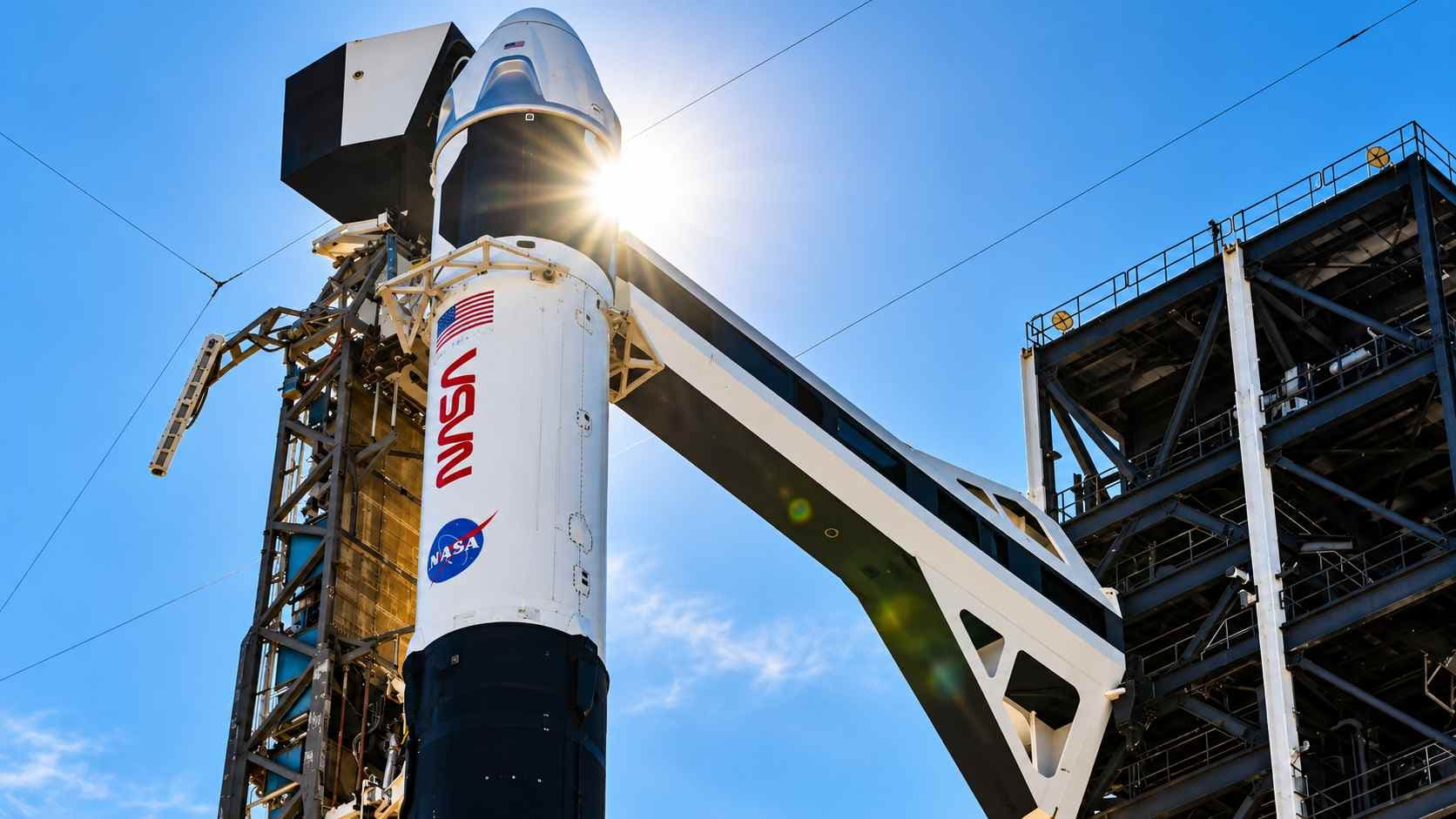
Canadian astronaut Joshua Kutryk is preparing for NASA’s Crew-13 mission after NASA and SpaceX targeted October 1 as the earliest launch opportunity. Kutryk is expected to spend approximately six months aboard the International Space Station conducting research and testing technologies.

Sep 24, 2026•20 views today
ESA Is Sending Its First Rover to the Moon — With Just 10 Days to Hunt for Water

Science

ESA Is Sending Its First Rover to the Moon — With Just 10 Days to Hunt for Water

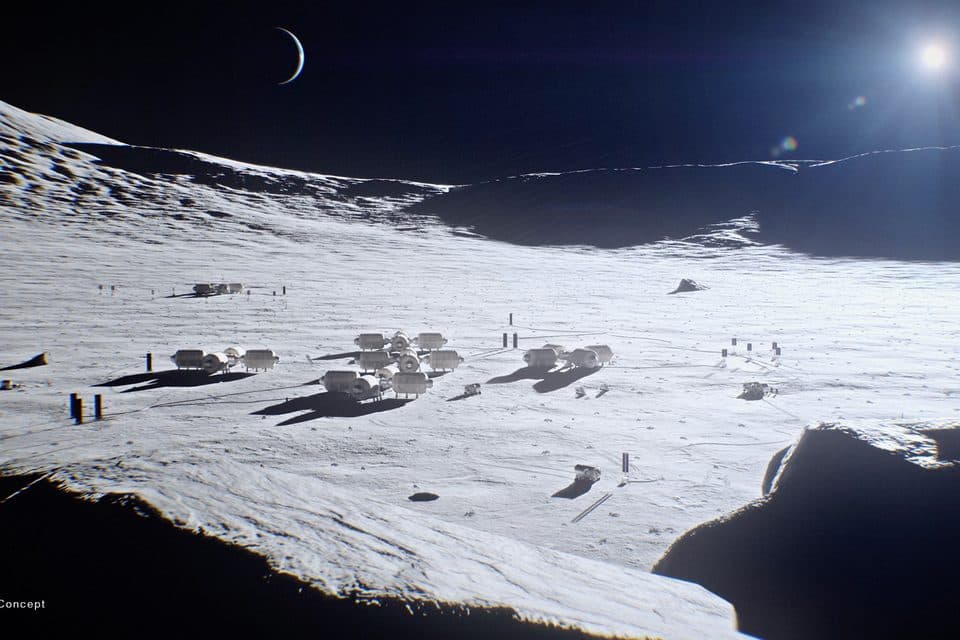
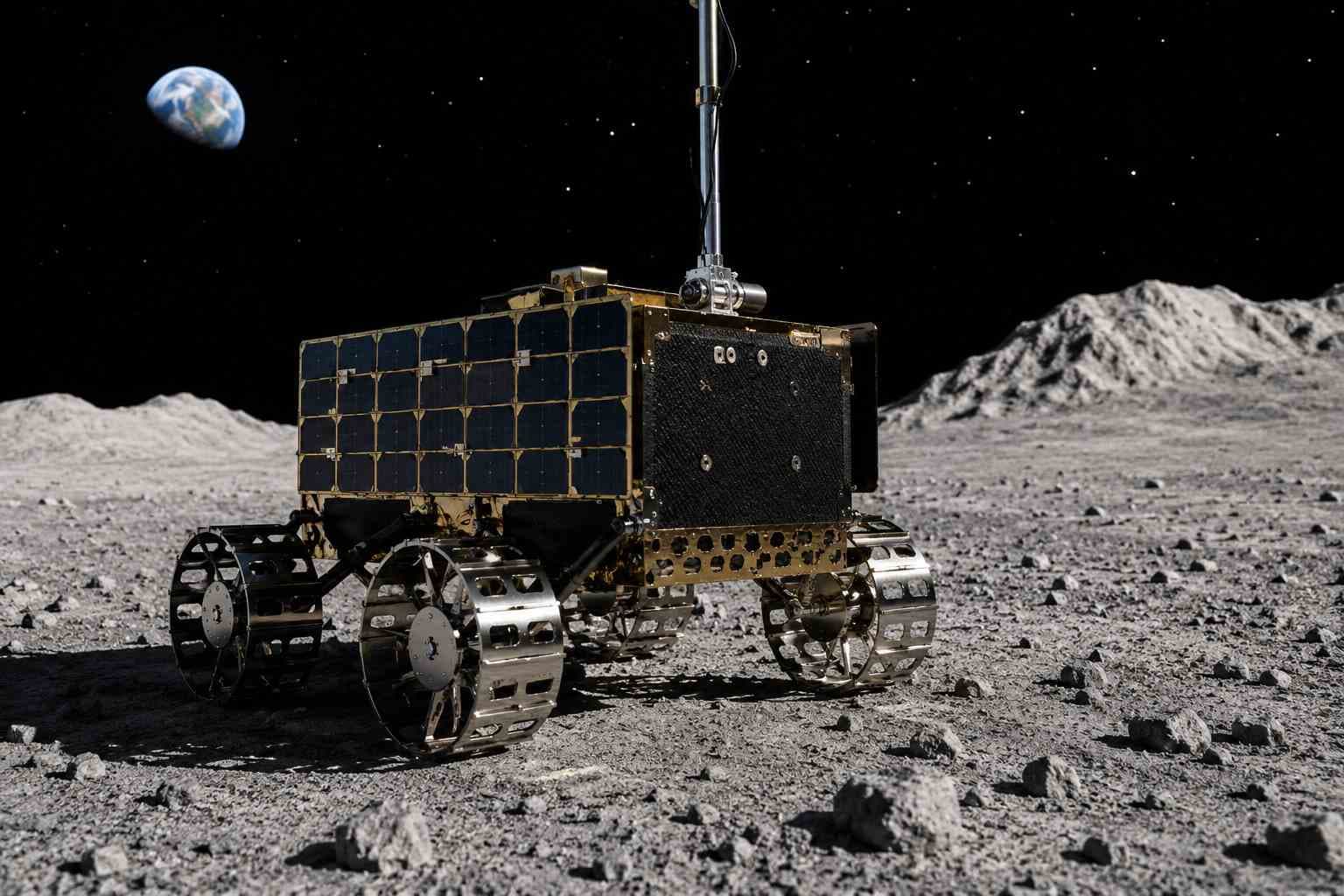
ESA’s MAGPIE rover is planned to explore the Moon’s south polar region in 2029, searching beneath the surface for water ice and other volatile materials. Equipped with a drill, radar, neutron detector and volatile analyser, the small rover will have roughly 10 Earth days to gather data that could shape future lunar exploration and resource-use research.

Sep 2, 2026•19 views today

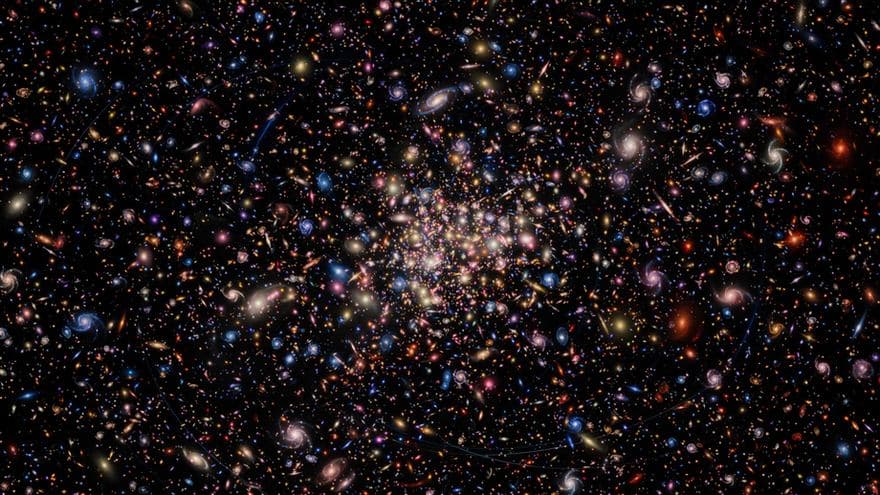
NASA Just Launched Roman — The Telescope That Can See Hubble-Level Detail Across 100 Times More Sky

Science

NASA Just Launched Roman — The Telescope That Can See Hubble-Level Detail Across 100 Times More Sky

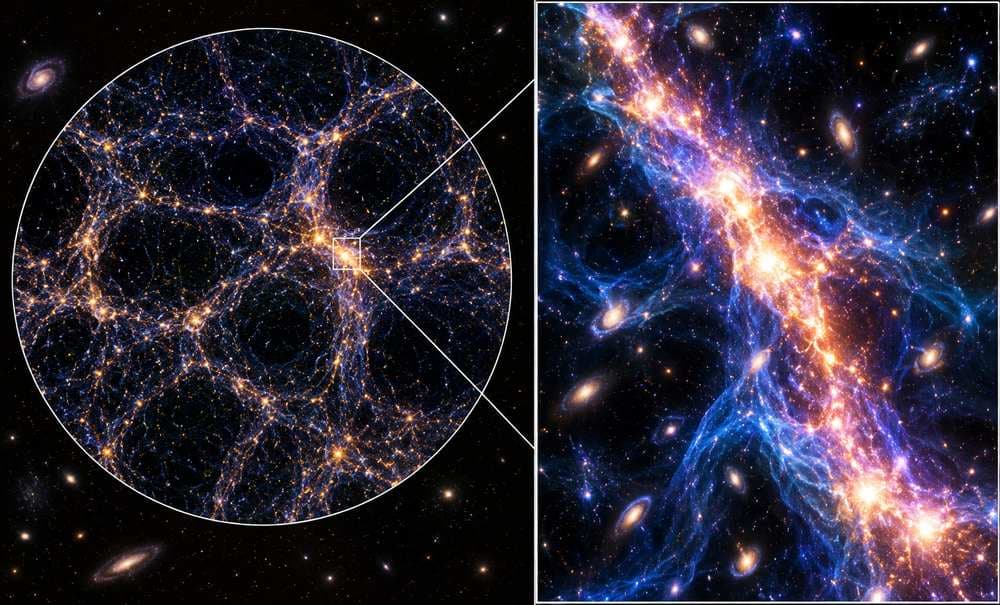
NASA successfully launched the Nancy Grace Roman Space Telescope on August 30, 2026. With a Hubble-sized mirror but a field of view at least 100 times larger, Roman will survey enormous regions of space, investigate dark energy and dark matter, search for exoplanets and create vast cosmic datasets that could reveal discoveries scientists have not anticipated yet in astronomy.

Aug 30, 2026•12 views today